
 Zeynep Aziz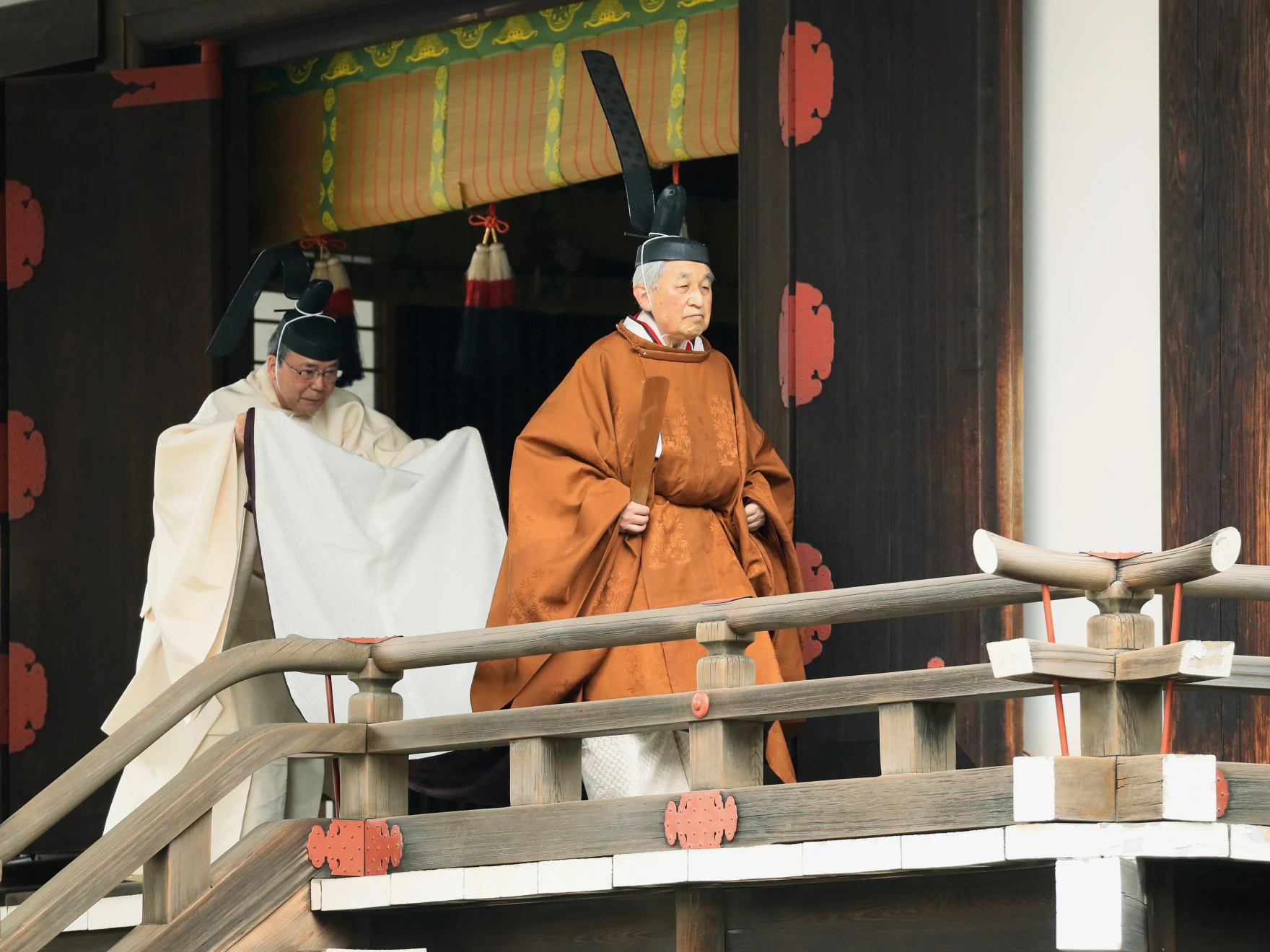
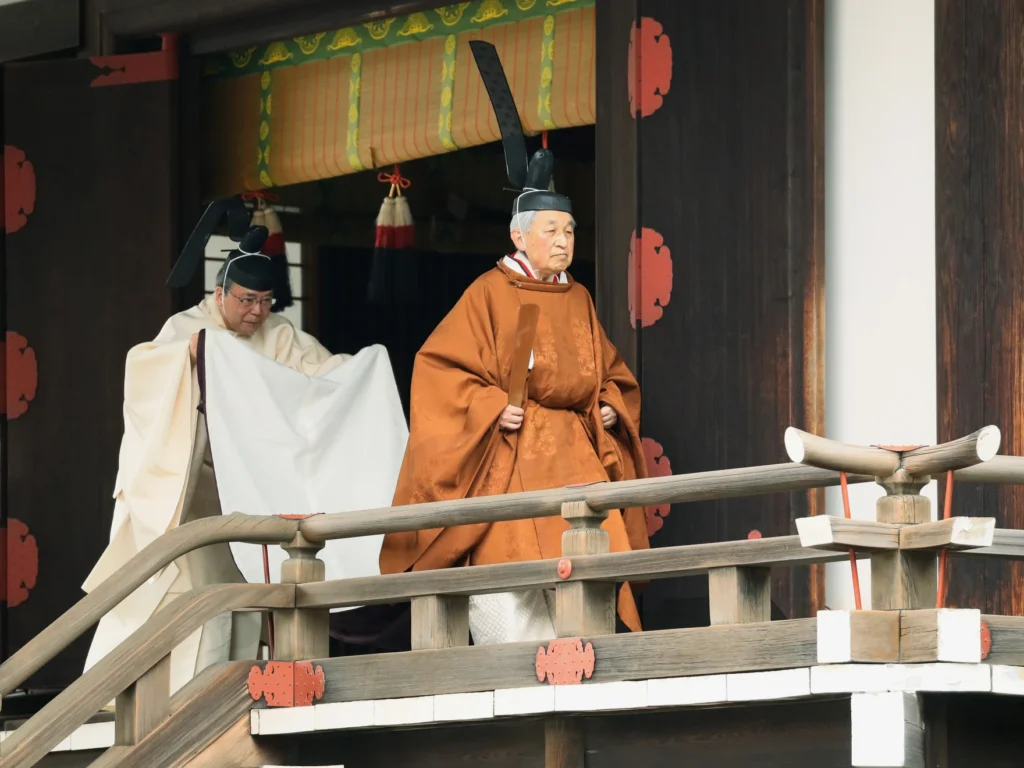
Emperor Akihito abdicated on 30 April, ending a 30-year reign and becoming Japan’s first monarch to step down since 1817.
What happened
A special law permitted the abdication after Akihito said age and health made it difficult to perform his duties. Crown Prince Naruhito succeeded him the next day.
Why it mattered
The transition ended the Heisei era and began Reiwa, affecting official calendars and prompting national reflection on the monarchy’s post-war role.
Context and consequences
Ceremonies observed constitutional limits on the emperor’s political authority while preserving traditions central to the imperial institution.