 Zeynep Aziz

YEREVAN, October 31, 2026 — Governments meeting at the COP17 biodiversity conference in Armenia have agreed a new plan, known as the Yerevan Pathway, intended to accelerate action to protect nature through 2030.
The agreement followed the first global review of progress under the Kunming-Montreal Global Biodiversity Framework. That assessment found that the world remains off track on almost all major targets, despite a growing number of national commitments.
Key priorities include reducing harmful subsidies, increasing financial support for developing countries and aligning national spending with biodiversity objectives. The global framework includes goals to conserve 30% of land and sea areas and restore 30% of degraded ecosystems by 2030.
Governments also agreed to accelerate efforts to reduce harmful incentives by at least $500 billion annually by the end of the decade. Delegates discussed funding arrangements and criteria for a permanent financing mechanism, while agreeing to broaden the contributor base on a voluntary basis.
Nearly 90% of parties to the biodiversity convention had set national targets, but fewer than half of those assessed were on track to meet them. The gap between pledges and implementation remains a central concern for conservation organisations and countries facing rapid ecosystem loss.
More than $1.8 billion in conference-related finance was announced, but delegates and campaigners said that the amount remains insufficient for the scale of the challenge. They called for stronger delivery, predictable funding and clearer accountability for national commitments.
The next phase will require governments to translate the Yerevan agreement into domestic policies covering land use, agriculture, infrastructure and protected areas. COP18 is scheduled to take place in Quito, Ecuador, in 2028, giving countries two years to demonstrate measurable progress.
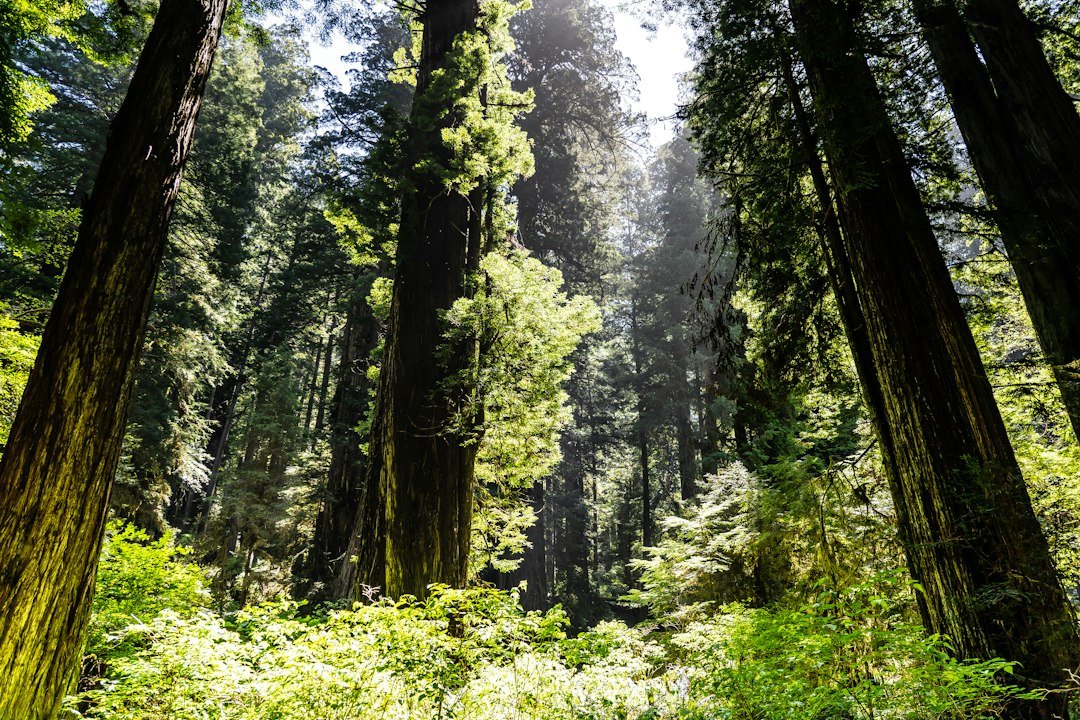
Source: Reuters, October 31, 2026. Featured photograph is an illustrative forest and river landscape, not a COP17 venue image.