 Zeynep Aziz
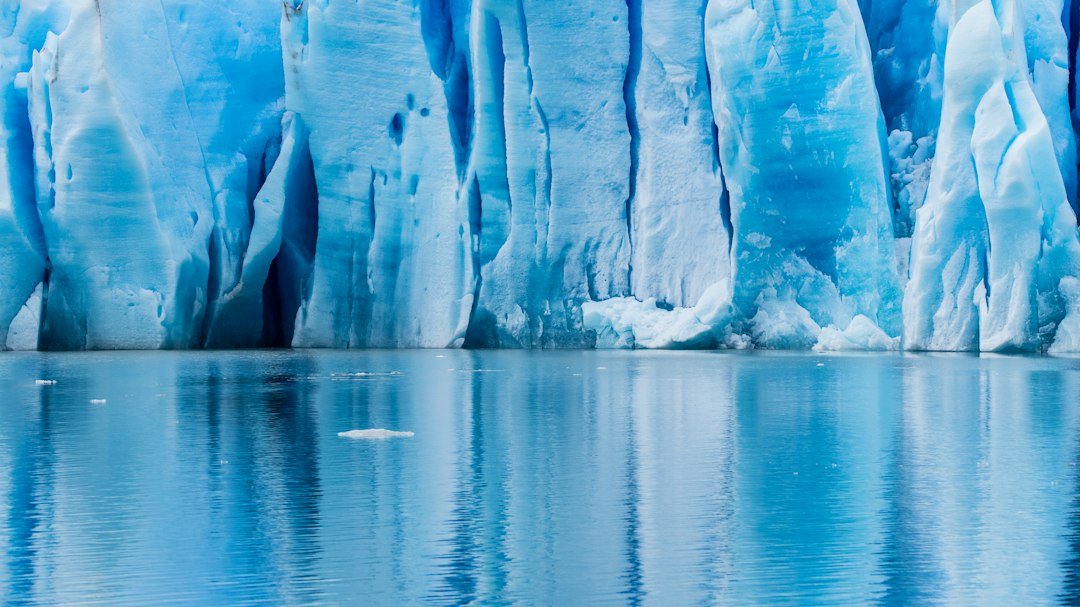
A new assessment involving around 80 scientists and the UN Environment Programme warns that exceeding the 1.5°C global warming threshold could cause widespread and potentially irreversible damage to the cryosphere, the parts of the Earth system where water is frozen.
The report says that even if global temperatures later fall, some changes to glaciers, ice sheets, permafrost and polar oceans may continue for centuries or longer. This creates risks that cannot be quickly reversed through future emissions reductions alone.
With global warming already estimated at about 1.3°C above pre-industrial levels, the researchers say some temporary overshoot of 1.5°C is increasingly difficult to avoid. They argue that the duration and scale of any overshoot must be kept as small as possible.
Under current policy trajectories, warming could approach 2.8°C to 3°C by the end of the century. Such a path could expose large areas of near-surface permafrost to thaw, disrupt ocean circulation and accelerate the loss of ice from Greenland and Antarctica.
The consequences extend far beyond polar regions. Mountain glaciers, including those in the Hindu Kush Himalaya, are important sources of water for millions of people, while continued ice-sheet loss contributes to long-term sea-level rise and threatens coastal communities.
The assessment also highlights the risk of changes in polar ocean chemistry and ecosystems. Once major components of the cryosphere are destabilised, recovery may take many generations, even if temperatures eventually decline.
Scientists are calling for rapid reductions in greenhouse-gas emissions and stronger efforts to remove carbon dioxide from the atmosphere. They stress that carbon removal should complement, not replace, immediate cuts in fossil-fuel pollution.
The report adds urgency to climate negotiations by showing that temporary temperature overshoot is not harmless. Governments face a narrowing window to limit long-term damage to ice-dependent ecosystems, water supplies and coastlines.
Source: The Guardian, November 2, 2026, reporting on the scientific assessment and UNEP warning.