 Zeynep Aziz
Turkey could sign new agreements or make acquisitions linked to hydrocarbon exploration before the end of 2026, Energy Minister Alparslan Bayraktar said, outlining Ankara’s continuing effort to increase domestic oil and gas production.
The potential deals form part of a wider strategy to strengthen energy independence and reduce the country’s exposure to imported fuel. Turkey has been pursuing exploration activity both within its own waters and through international cooperation.
Bayraktar has said the country is working towards a combined production target of one million barrels of oil and natural gas per day. Reaching that level would require sustained investment, successful exploration and the development of commercially viable fields.
The minister’s comments indicate that Turkey is considering both asset acquisitions and additional exploration partnerships. They do not, however, confirm that a specific transaction has been signed or that new reserves have already been secured.
Energy imports remain an important factor in Turkey’s external economic position. Increasing domestic production could improve supply resilience and reduce some of the pressure created by fluctuations in international oil and gas prices.
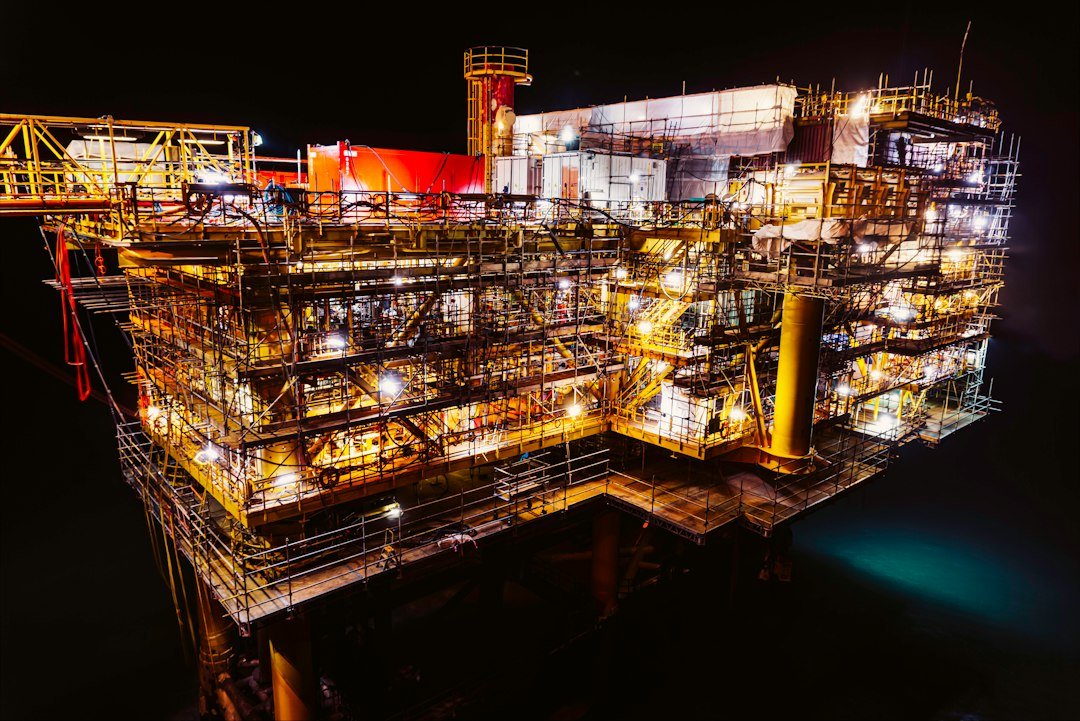
Exploration and production projects also carry financial, environmental and geopolitical risks. Offshore operations require significant capital and technical capacity, while cross-border agreements can involve complex licensing, maritime and regulatory questions.
Investors and regional governments will be watching for further details about the assets under consideration, the countries involved and the timetable for any agreements. Clear commercial terms and transparent environmental safeguards will be important to the credibility of new projects.
For now, the government’s year-end objective signals an active phase in Turkey’s energy diplomacy, but the scale of any new commitments will only become clear when formal agreements are announced.
Source: Reuters, October 27, 2026.