 faultlineviews@gmail.com
Former prime minister Maia Sandu won Moldova’s presidential runoff on 15 November 2020, defeating incumbent Igor Dodon. Her victory followed a campaign centered on anti-corruption reform, institutional accountability and closer cooperation with the European Union.
A decisive runoff
Sandu secured a clear majority with particularly strong support from Moldovans voting abroad. Dodon, who favored close relations with Russia, conceded after the result. International observers said the election was competitive and fundamental freedoms were respected, while noting polarizing media coverage and campaign-finance concerns.
Challenges ahead
The presidency has limited authority without parliamentary support, and Sandu faced resistance from established political networks. Moldova also confronted poverty, outward migration, the COVID-19 pandemic and the unresolved Transnistria conflict.
Why it mattered
The result marked an important shift in Moldova’s political direction and gave reform advocates a national mandate. It also highlighted the electoral importance of the diaspora and renewed debate over how the country could balance European integration with longstanding economic and security ties to Russia.
Sources
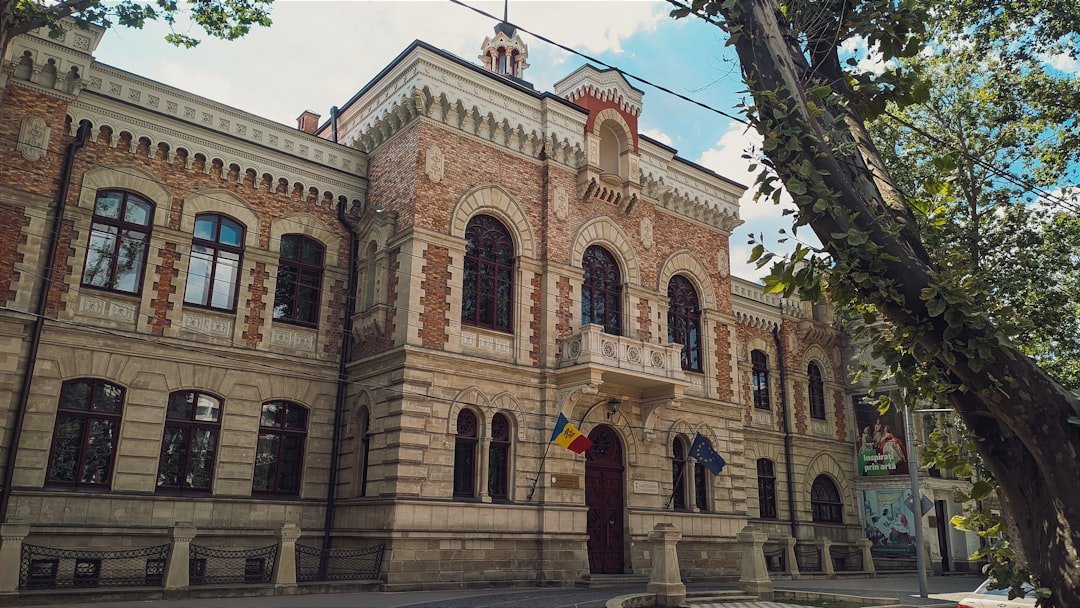
Featured image is an illustrative Chisinau city view. Photo by GR on Unsplash.


 Zeynep Aziz