 Zeynep Aziz
October 24, 2026 — A new United Nations Environment Programme assessment warns that the world is losing ground in the effort to limit climate change. Current national commitments remain far from the reductions needed to meet the Paris Agreement’s temperature goals.
According to the Associated Press report on the assessment, global temperatures could rise by around 2.6°C above pre-industrial levels by 2100 if countries fully implement their current emissions pledges. Policies already in place could lead to warming of approximately 2.8°C.
Both projections are well above the Paris Agreement’s ambition of limiting warming to 1.5°C and keeping it well below 2°C. The report highlights the widening gap between political commitments and the emissions cuts required to reduce climate risks.
The assessment also points to changes in the emissions outlook in the United States, including its withdrawal from the Paris Agreement and an increase in emissions in 2025. The report’s findings underscore how policy decisions by major emitters can influence the global trajectory.
Scientists warn that continued warming raises the likelihood and severity of heatwaves, floods, crop losses and ecosystem damage. These impacts can place disproportionate pressure on lower-income communities and countries with limited resources for adaptation.
The UN assessment says emissions must fall sharply over the coming decade and beyond if the world is to avoid the most severe outcomes. Governments face renewed pressure to strengthen national plans ahead of the next round of international climate negotiations.
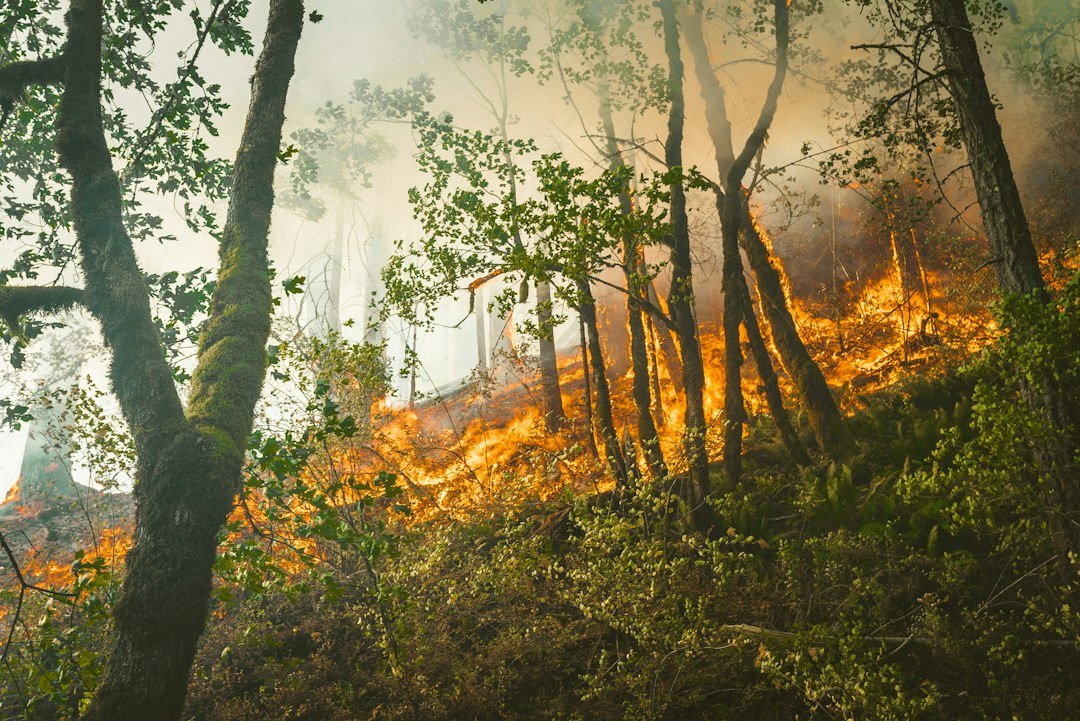
Source: Associated Press, report on the UNEP assessment. Featured image is illustrative and does not depict a specific event cited in the report.