GAZA — Hospitals, water facilities and homes across the Gaza Strip are facing an intensifying power emergency as fuel, engine oil and generator spare parts become increasingly difficult to obtain.
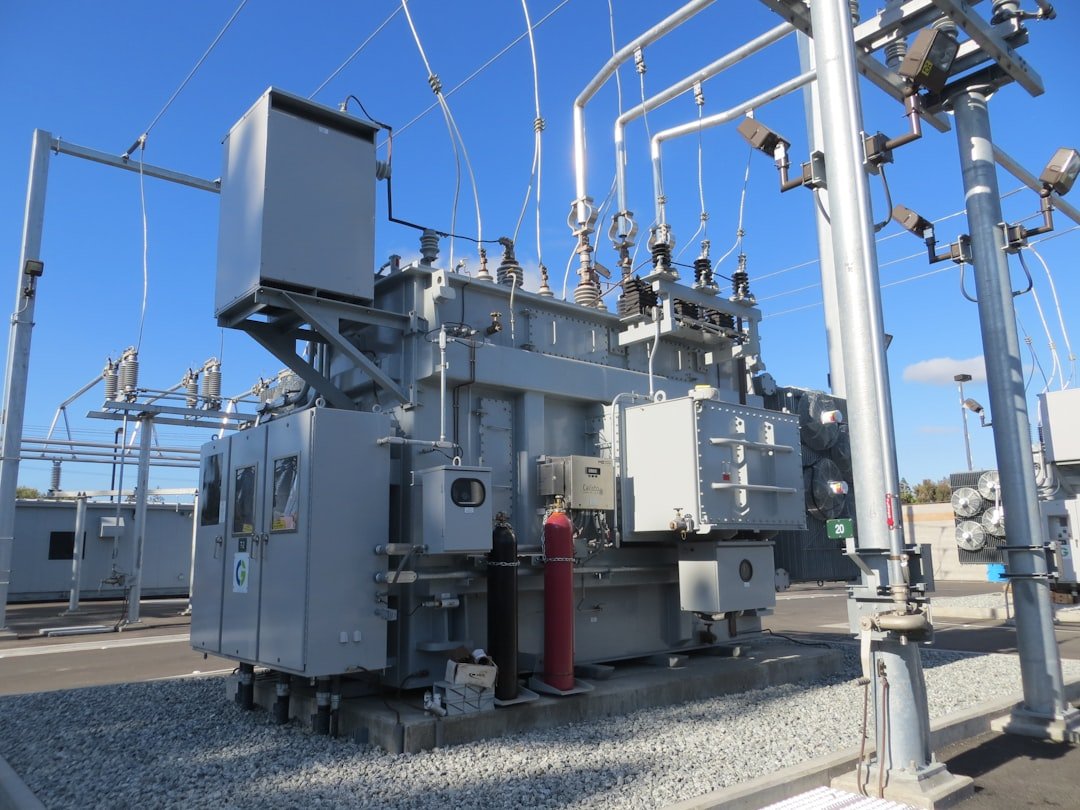
Gaza has remained largely disconnected from grid electricity, making generators essential for intensive-care equipment, ventilators, water pumps, refrigeration and other basic services.
At Nasser Hospital, medical workers reported that one generator was already out of service while the remaining units were operating under severe strain. Delayed oil changes increase the likelihood of sudden mechanical failure.
Engine oil prices on the informal market have reportedly risen from about three dollars to as much as $1,300 per litre, placing supplies beyond the reach of most families and humanitarian organizations.
Israel’s COGAT agency says regulated channels exist for humanitarian supplies while controls are required to prevent material from reaching Hamas. Aid groups argue that present quantities remain far below civilian needs.
The shortage is therefore no longer only an energy problem: it directly threatens healthcare, clean water, sanitation and food storage. Humanitarian agencies are calling for predictable access to fuel, lubricants and replacement components.
Sources
Featured photo: American Public Power Association/Unsplash

Zeynep Aziz is a social-affairs specialist, writer and advocate with advanced academic qualifications in both Social Sciences and International Relations. Her multidisciplinary education has given her a strong understanding of society, public policy, human rights and the political forces shaping Turkey’s domestic and international development.
For many years, Zeynep has been actively engaged in social affairs and initiatives supporting the rights and well-being of Turkish citizens. Her work pays particular attention to social equality, democratic participation and the protection of vulnerable and disadvantaged communities.
Women’s rights remain central to her interests and advocacy. She works to raise awareness of the challenges faced by women in Turkey, including discrimination, violence, unequal opportunities and barriers to full participation in political, professional and social life. She strongly supports women’s empowerment, equal access to education and employment, and effective legal protection for women and girls.
Alongside her social work, Zeynep closely follows Turkey’s international relations and foreign policy. She takes a keen interest in Turkey’s relations with Europe, neighbouring countries and international institutions, as well as the impact of regional and global developments on Turkish society.
Through her writing and public engagement, Zeynep seeks to encourage informed discussion, strengthen respect for human rights and contribute to a fairer, more democratic and inclusive Turkey.
 Zeynep Aziz