G7 foreign ministers have called on Iran to stop arming and supporting Yemen’s Houthi movement, warning that continued escalation threatens regional security and international trade.
The ministers from Britain, Canada, France, Germany, Italy, Japan and the United States issued their statement after meeting on the sidelines of the United Nations General Assembly.
They condemned continuing Houthi strikes inside Yemen and against Saudi Arabia, describing the military campaign as unacceptable and destabilising.
The statement also demanded an end to threats and attacks against civilian shipping. Maritime insecurity around the Red Sea and nearby routes has forced carriers to reconsider schedules and raised transport and insurance costs.
The G7 said Iran’s assistance to the Houthis contributes to a dangerous pattern of escalation with consequences extending beyond the Middle East.
The ministers urged the Houthis to return to the political process in good faith, arguing that negotiations remain the only sustainable route toward ending Yemen’s prolonged conflict.
Iran has long acknowledged political support for the Houthis but has rejected Western accusations that it directs all of the group’s military decisions. The statement adds new diplomatic pressure amid heightened Gulf tensions.
Source: Reuters.
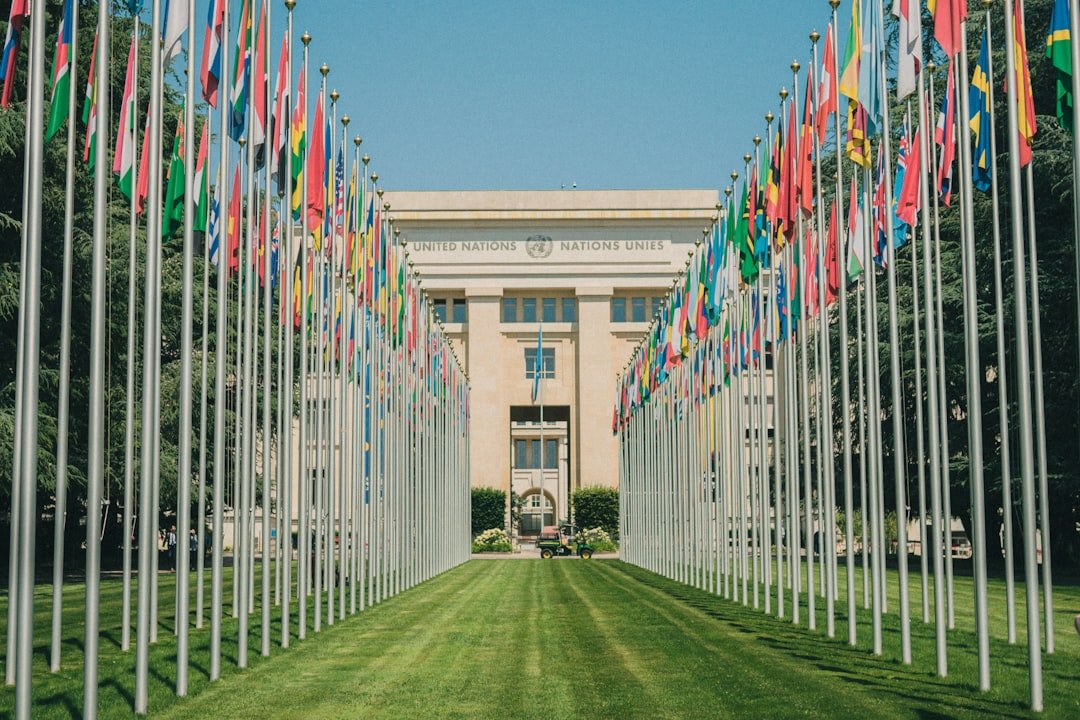
Featured photo: Gavin Li/Unsplash. The image is illustrative.

Zeynep Aziz is a social-affairs specialist, writer and advocate with advanced academic qualifications in both Social Sciences and International Relations. Her multidisciplinary education has given her a strong understanding of society, public policy, human rights and the political forces shaping Turkey’s domestic and international development.
For many years, Zeynep has been actively engaged in social affairs and initiatives supporting the rights and well-being of Turkish citizens. Her work pays particular attention to social equality, democratic participation and the protection of vulnerable and disadvantaged communities.
Women’s rights remain central to her interests and advocacy. She works to raise awareness of the challenges faced by women in Turkey, including discrimination, violence, unequal opportunities and barriers to full participation in political, professional and social life. She strongly supports women’s empowerment, equal access to education and employment, and effective legal protection for women and girls.
Alongside her social work, Zeynep closely follows Turkey’s international relations and foreign policy. She takes a keen interest in Turkey’s relations with Europe, neighbouring countries and international institutions, as well as the impact of regional and global developments on Turkish society.
Through her writing and public engagement, Zeynep seeks to encourage informed discussion, strengthen respect for human rights and contribute to a fairer, more democratic and inclusive Turkey.

 Zeynep Aziz