Turkish President Recep Tayyip Erdoğan said it was unrealistic to expect every country to make identical progress on climate policy while major inequalities in finance and technology persist.
Erdoğan argued that climate measures must account for each country’s resources, development priorities and economic circumstances rather than applying a single timetable to all governments.
He said a durable and just transition requires a strong connection between environmental targets, development and national prosperity.
The remarks came as Turkey sought international support for the action agenda it will advance at the COP31 climate summit.
Turkey’s programme aims to convert existing climate promises into measurable projects and results, including greater electrification and policies to limit the growth of urban waste.
Emerging economies have repeatedly called for wealthier countries to expand climate financing and improve access to clean-energy technology, arguing that ambition depends on practical support.
Turkey’s position places climate equity at the centre of its COP31 message and signals that Ankara will push for differentiated responsibilities alongside stronger global action.
Source: Reuters report via Internazionale.
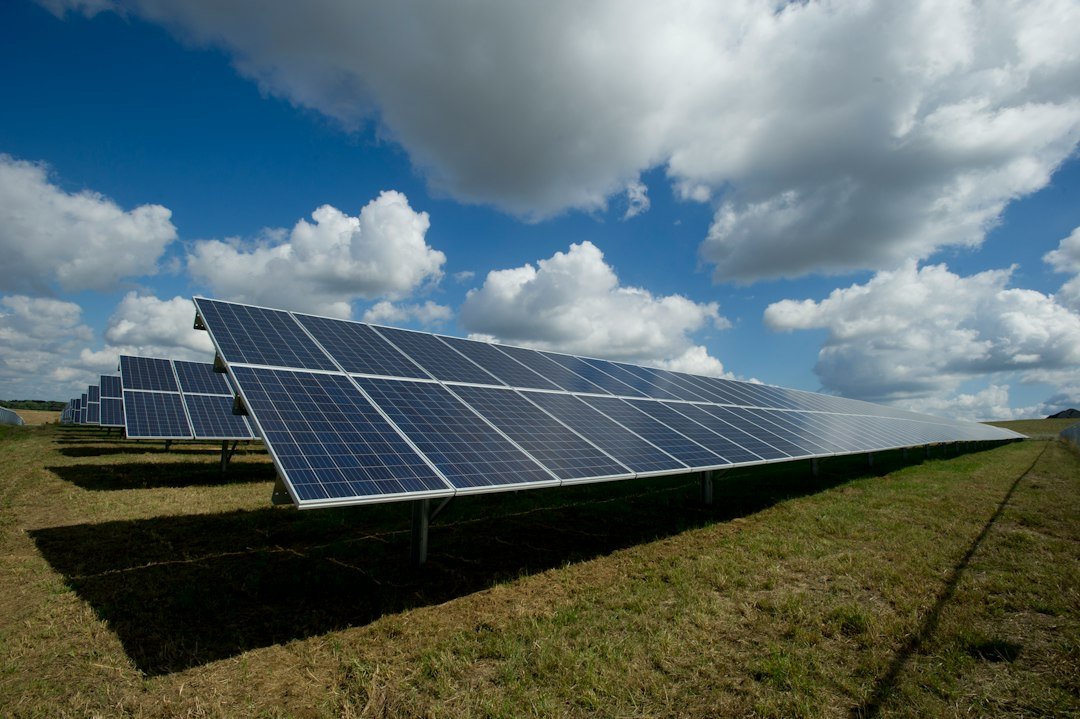
Featured photo: American Public Power Association/Unsplash.

Zeynep Aziz is a social-affairs specialist, writer and advocate with advanced academic qualifications in both Social Sciences and International Relations. Her multidisciplinary education has given her a strong understanding of society, public policy, human rights and the political forces shaping Turkey’s domestic and international development.
For many years, Zeynep has been actively engaged in social affairs and initiatives supporting the rights and well-being of Turkish citizens. Her work pays particular attention to social equality, democratic participation and the protection of vulnerable and disadvantaged communities.
Women’s rights remain central to her interests and advocacy. She works to raise awareness of the challenges faced by women in Turkey, including discrimination, violence, unequal opportunities and barriers to full participation in political, professional and social life. She strongly supports women’s empowerment, equal access to education and employment, and effective legal protection for women and girls.
Alongside her social work, Zeynep closely follows Turkey’s international relations and foreign policy. She takes a keen interest in Turkey’s relations with Europe, neighbouring countries and international institutions, as well as the impact of regional and global developments on Turkish society.
Through her writing and public engagement, Zeynep seeks to encourage informed discussion, strengthen respect for human rights and contribute to a fairer, more democratic and inclusive Turkey.

 Zeynep Aziz