Turkey and Pakistan have agreed with Saudi Arabia to move toward the rapid deployment of military forces and capabilities under their new collective-defence pact.
The decision followed an emergency meeting in Riyadh after renewed Houthi attacks targeted Saudi cities, airports and economic infrastructure.
A joint statement said the partners would implement agreed defence commitments in accordance with operational arrangements and each country’s national legislation.
The three governments also condemned reported attempts to target Mecca and Medina and reaffirmed support for Saudi Arabia’s territorial security.
No public details have been provided on troop numbers, deployment dates or the precise mix of personnel, air defence, intelligence and logistical capabilities.
Turkey’s participation remains subject to domestic legal procedures, including parliamentary requirements that apply to overseas troop deployments.
Analysts say Ankara may initially contribute advisers, air-and-missile defence support, intelligence and technical assets rather than large combat formations.
The move is the first major activation of the Mecca defence framework signed in August by Turkey, Saudi Arabia and Pakistan.
Sources: Republic of Türkiye Ministry of Foreign Affairs; Reuters; Financial Times.
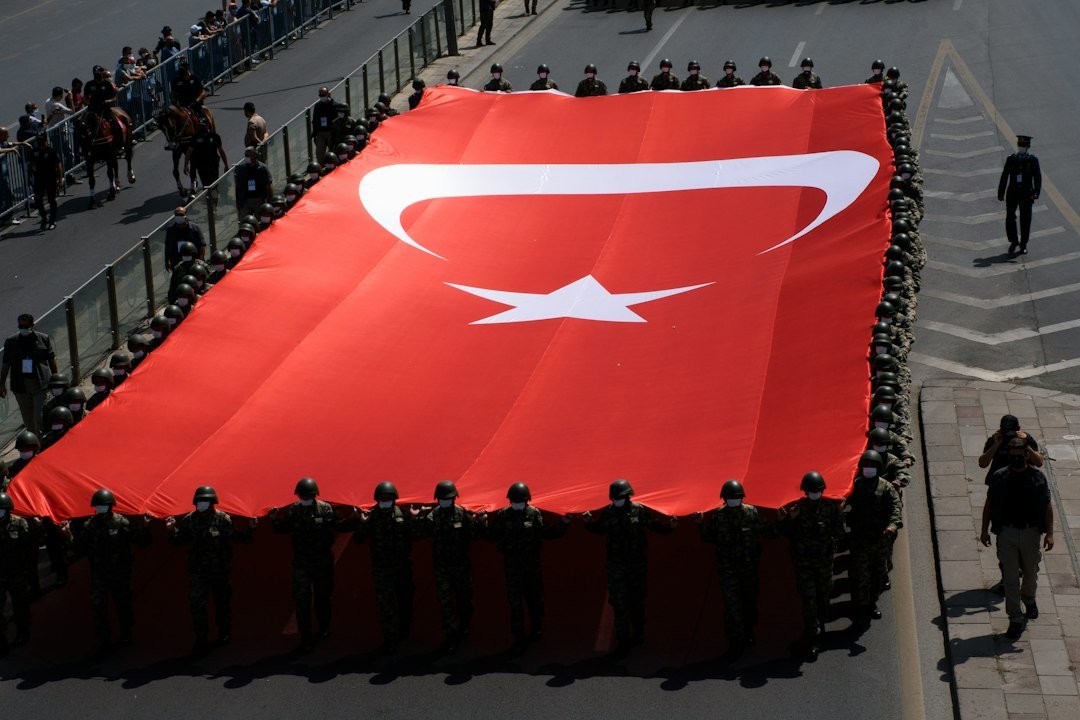
Featured photo: Çağlar Oskay/Unsplash.

Zeynep Aziz is a social-affairs specialist, writer and advocate with advanced academic qualifications in both Social Sciences and International Relations. Her multidisciplinary education has given her a strong understanding of society, public policy, human rights and the political forces shaping Turkey’s domestic and international development.
For many years, Zeynep has been actively engaged in social affairs and initiatives supporting the rights and well-being of Turkish citizens. Her work pays particular attention to social equality, democratic participation and the protection of vulnerable and disadvantaged communities.
Women’s rights remain central to her interests and advocacy. She works to raise awareness of the challenges faced by women in Turkey, including discrimination, violence, unequal opportunities and barriers to full participation in political, professional and social life. She strongly supports women’s empowerment, equal access to education and employment, and effective legal protection for women and girls.
Alongside her social work, Zeynep closely follows Turkey’s international relations and foreign policy. She takes a keen interest in Turkey’s relations with Europe, neighbouring countries and international institutions, as well as the impact of regional and global developments on Turkish society.
Through her writing and public engagement, Zeynep seeks to encourage informed discussion, strengthen respect for human rights and contribute to a fairer, more democratic and inclusive Turkey.

 Zeynep Aziz