 Zeynep Aziz
Türkiye and the European Union are continuing technical discussions on modernising their Customs Union, with Turkish Trade Minister Ömer Bolat reporting that bilateral trade has reached a record $233 billion. The discussions are advancing on a case-by-case basis even though the EU Council has not yet issued a full mandate for comprehensive negotiations.
According to Bolat, officials are examining issues including e-commerce, investment, public procurement and agricultural products. These areas are important as businesses on both sides seek more predictable rules and fewer obstacles to cross-border commerce.
The trade relationship has expanded substantially over the past three decades, reflecting the close integration of Turkish and European manufacturing, logistics and consumer markets. Automotive production and electric-vehicle supply chains are among the sectors that could be affected by future European industrial policy.
Bolat has warned that parts of the EU’s proposed Industrial Accelerator Act could influence investment decisions and disrupt established supply chains. Turkish officials are engaging with European counterparts in an effort to address these concerns before the legislation is finalised.
Digital trade is also on the agenda, alongside customs procedures and cooperation on trade-defence instruments. The discussions are taking place as European governments weigh competitiveness, economic security and their exposure to global trade tensions.
Modernisation would require agreement among EU institutions and member states, so the current technical work should not be mistaken for a completed political deal. Both sides will need to resolve outstanding differences before any updated framework can be adopted.
For Türkiye, closer economic coordination with the EU remains a major opportunity for exports and investment. For European companies, a stable relationship with Türkiye can support access to regional markets and established production networks.
Sources: Anadolu Agency, 14 October 2026; Republic of Türkiye Directorate for EU Affairs.
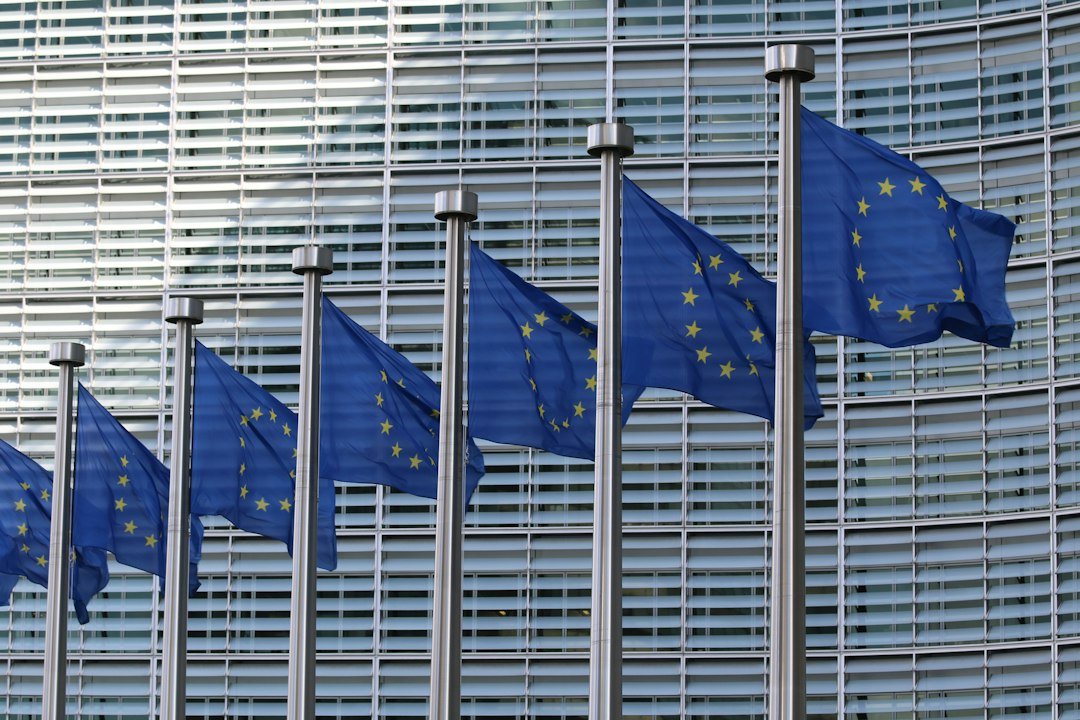
Featured image: European Commission building and EU flags; illustrative image. Photo by Guillaume Périgois/Unsplash.