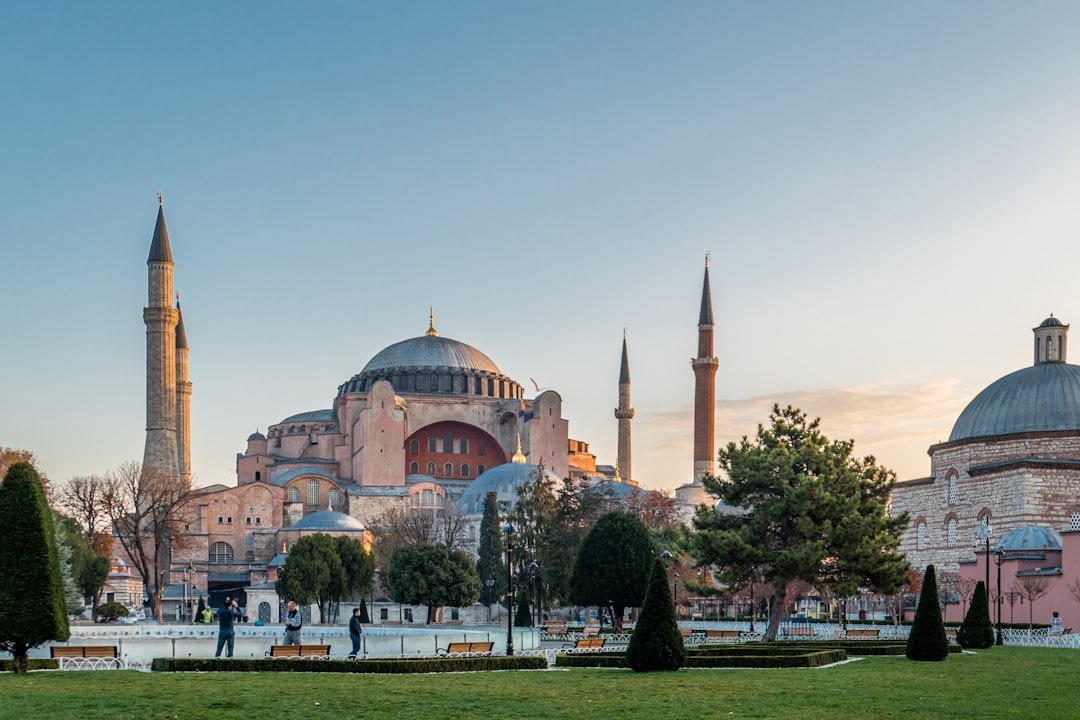
Turkey’s Council of State on 10 July annulled the 1934 decree that had made Hagia Sophia a museum. President Erdoğan then signed an order transferring the monument to the religious affairs authority and opening it for Muslim worship.
What happened
Built as a Byzantine cathedral in the sixth century, Hagia Sophia later served as an Ottoman mosque before becoming a museum. Its layered history makes it a globally significant cultural and religious site.
Why it mattered
The decision was welcomed by many government supporters but drew concern from UNESCO, Christian leaders and foreign governments about universal access and preservation.
Consequences
Officials said the building would remain open to visitors and its artworks would be protected. The first Friday prayers were held later that month.
Sources

Zeynep Aziz is a social-affairs specialist, writer and advocate with advanced academic qualifications in both Social Sciences and International Relations. Her multidisciplinary education has given her a strong understanding of society, public policy, human rights and the political forces shaping Turkey’s domestic and international development.
For many years, Zeynep has been actively engaged in social affairs and initiatives supporting the rights and well-being of Turkish citizens. Her work pays particular attention to social equality, democratic participation and the protection of vulnerable and disadvantaged communities.
Women’s rights remain central to her interests and advocacy. She works to raise awareness of the challenges faced by women in Turkey, including discrimination, violence, unequal opportunities and barriers to full participation in political, professional and social life. She strongly supports women’s empowerment, equal access to education and employment, and effective legal protection for women and girls.
Alongside her social work, Zeynep closely follows Turkey’s international relations and foreign policy. She takes a keen interest in Turkey’s relations with Europe, neighbouring countries and international institutions, as well as the impact of regional and global developments on Turkish society.
Through her writing and public engagement, Zeynep seeks to encourage informed discussion, strengthen respect for human rights and contribute to a fairer, more democratic and inclusive Turkey.

 Zeynep Aziz