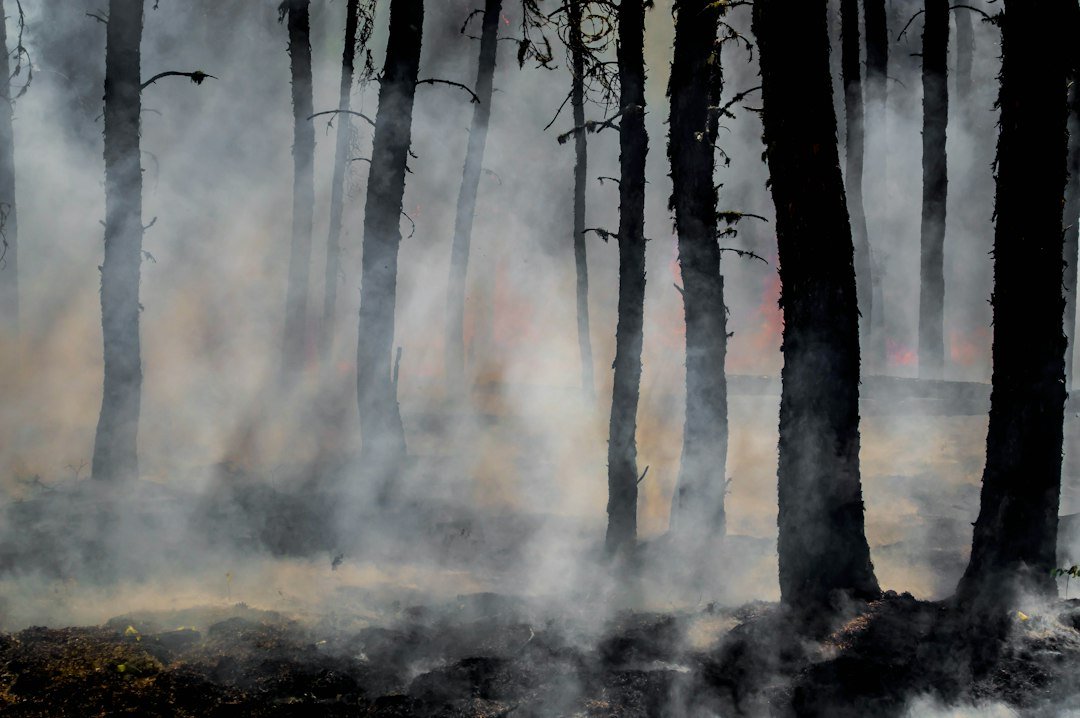
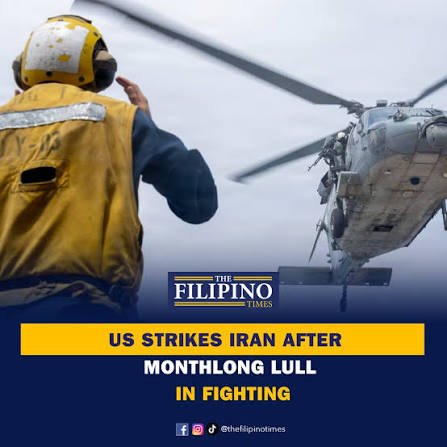
The United States struck targets in Iran on 1 September as direct hostilities resumed after a month-long pause.
A fragile lull ends
The renewed exchanges raised immediate concern about civilian protection, regional shipping and the prospect that allied armed groups could widen the confrontation. Public claims by parties to an active conflict require careful corroboration, and casualty assessments may change.
The escalation also complicates diplomatic efforts over the Strait of Hormuz and regional security. Preventing miscalculation will require credible communication channels and adherence to international law, even while political positions remain far apart.
Sources

Mehmut is a scholar, author and political commentator specializing in relations between Turkey and the European Union. He earned his PhD in the United States, where his doctoral research examined the political, diplomatic and institutional dimensions of EU–Turkey relations.
Throughout his academic and professional career, Mehmut has written numerous articles addressing Turkey’s relationship with Europe, democratic development, social justice, political reform and the country’s changing role in regional and international affairs. His work combines academic analysis with a strong interest in the practical challenges confronting Turkish society.
Mehmut is committed to promoting a democratic, secular and socially just Turkey founded on equality, human rights, freedom of expression and the rule of law. He advocates peaceful political participation, accountable public institutions and policies that protect workers, disadvantaged communities and citizens from every section of society.
Through his research and writing, Mehmut seeks to contribute to informed public debate about Turkey’s future. He believes that meaningful democratic reform, social solidarity and constructive engagement with Europe can help Turkey build a fairer, more inclusive and more prosperous society.
 Mehmut Naser

 Zeynep Aziz