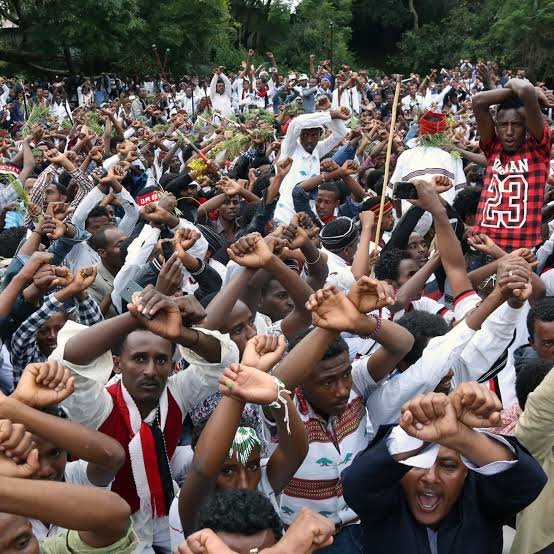
Ethiopian Prime Minister Hailemariam Desalegn announced on 3 January 2018 that the government would release political prisoners and close the Maekelawi detention centre in Addis Ababa.
The surprise declaration was presented as an effort to widen democratic space after years of unrest and a security response that had drawn sustained criticism. Maekelawi had become notorious among former detainees and human-rights organisations for allegations of torture and abusive interrogation.
The announcement was politically significant because Ethiopian officials had often rejected the description of detained opposition figures as political prisoners. Rights advocates welcomed the change in language and intent while calling for transparent implementation, accountability for abuse and reform of laws used against peaceful dissent.
Releases followed during 2018, but Ethiopia’s political opening remained uneven. A new state of emergency was declared in February after Hailemariam resigned, renewing concern that restrictions on assembly and expression could undermine the promised reforms. The January pledge nevertheless marked an early turning point in a year that would bring new national leadership and a broader programme of political change.
Sources

Zeynep Aziz is a social-affairs specialist, writer and advocate with advanced academic qualifications in both Social Sciences and International Relations. Her multidisciplinary education has given her a strong understanding of society, public policy, human rights and the political forces shaping Turkey’s domestic and international development.
For many years, Zeynep has been actively engaged in social affairs and initiatives supporting the rights and well-being of Turkish citizens. Her work pays particular attention to social equality, democratic participation and the protection of vulnerable and disadvantaged communities.
Women’s rights remain central to her interests and advocacy. She works to raise awareness of the challenges faced by women in Turkey, including discrimination, violence, unequal opportunities and barriers to full participation in political, professional and social life. She strongly supports women’s empowerment, equal access to education and employment, and effective legal protection for women and girls.
Alongside her social work, Zeynep closely follows Turkey’s international relations and foreign policy. She takes a keen interest in Turkey’s relations with Europe, neighbouring countries and international institutions, as well as the impact of regional and global developments on Turkish society.
Through her writing and public engagement, Zeynep seeks to encourage informed discussion, strengthen respect for human rights and contribute to a fairer, more democratic and inclusive Turkey.

 Zeynep Aziz