 Zeynep Aziz
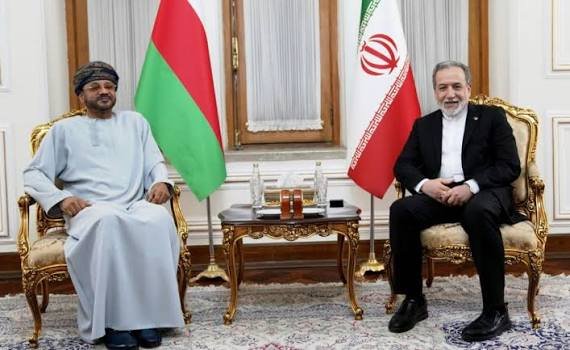
Iran and Oman held high-level talks on 25 August on a phased approach to managing commercial shipping through the Strait of Hormuz. The meeting took place as the strategic waterway remained severely disrupted nearly six months after the outbreak of the Iran war.
Omani Foreign Minister Badr al-Busaidi met his Iranian counterpart Abbas Araghchi in Tehran. Their discussions focused on navigation arrangements, maritime security and a possible route toward a more permanent agreement governing ship traffic.
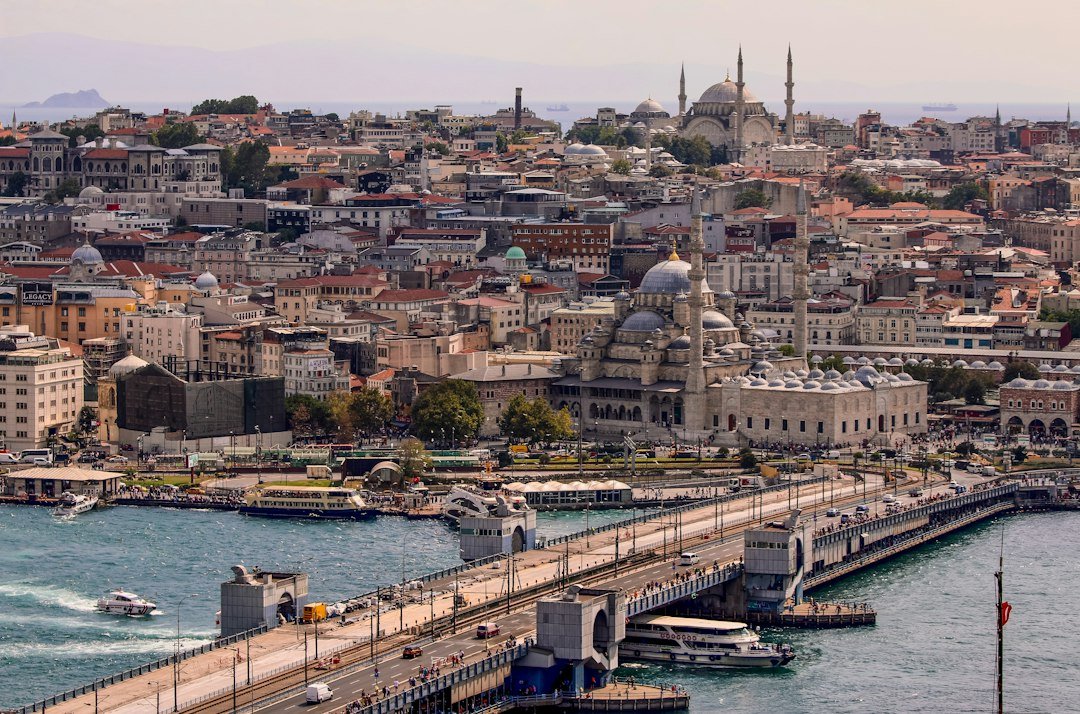
The strait connects the Persian Gulf with the Gulf of Oman and is one of the world’s most important energy corridors. Before the conflict, roughly one-fifth of internationally traded oil passed through the narrow waterway, making any disruption a global economic concern.
The diplomatic effort unfolded amid continuing dangers for shipping. An oil tanker had been disabled in an attack off Oman, underlining the risks faced by crews, insurers and companies attempting to operate in waters affected by military confrontation.
Iranian officials have argued that Tehran must have a central role in any navigation system near its territorial waters. Western governments, meanwhile, insist that the strait is an international passage where commercial shipping must be allowed to move safely.
Oman has long acted as an intermediary in regional disputes and maintains working relations with Iran, the United States and Gulf Arab governments. Its role gives Muscat a rare ability to communicate with parties that may not be willing to negotiate directly.
Reports indicated that the parties were considering negotiations lasting between 30 and 60 days to seek a sustainable arrangement. Major questions include shipping routes, inspection procedures, treatment of military vessels and guarantees against attacks.
A workable deal could reduce pressure on oil prices and lower insurance costs, but its success would depend on enforcement and wider political de-escalation. Maritime incidents could quickly undermine confidence even if diplomats agree on technical rules.
References
Scan to open this article