 Zeynep Aziz
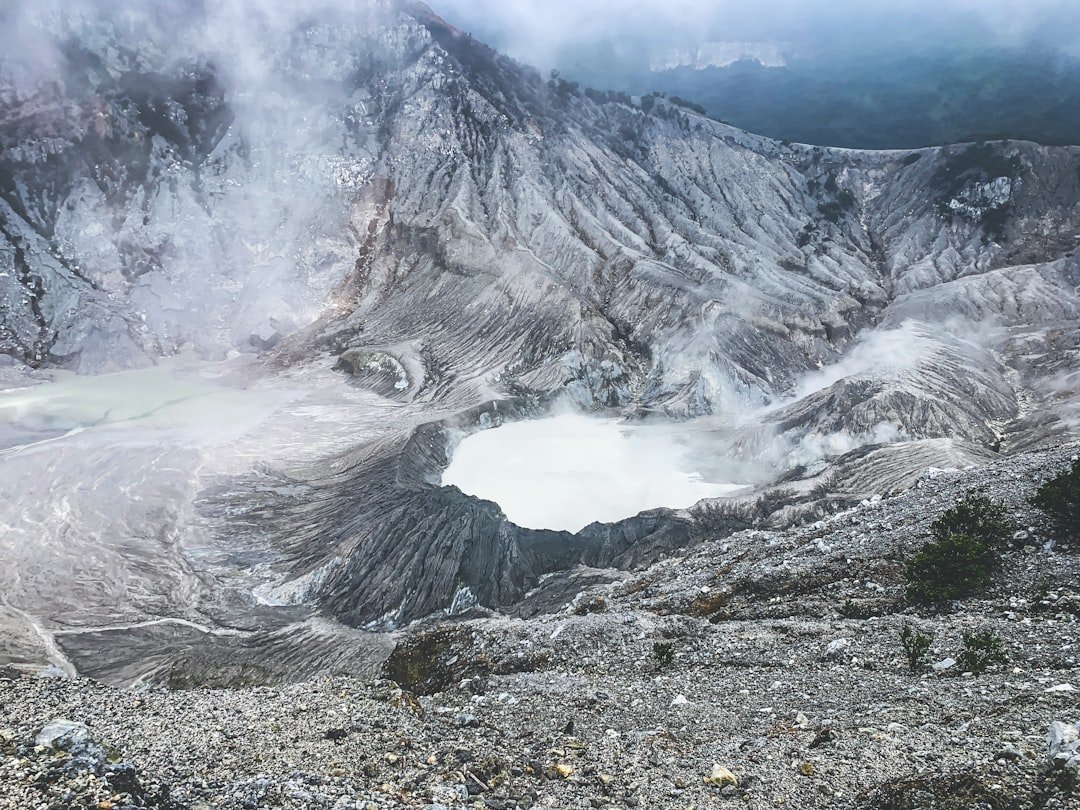
Seven Indonesian airports remained closed on 7 September after Anak Krakatau sent ash across western Java, southern Sumatra and the Jakarta metropolitan area. Authorities said the eruption was easing but warned that intermittent activity and dangerous ash concentrations could continue.
Major transport disruption
The closures affected Jakarta’s Soekarno-Hatta and Halim airports as well as several regional facilities. More than 2,300 flights and roughly 270,000 passengers were disrupted, according to official and airline estimates. Volcanic ash can melt inside jet engines, damage turbines and reduce visibility, making even thin clouds a serious aviation hazard.
AirNav Indonesia and meteorological agencies continued sampling airspace and adjusting closure periods as wind direction changed. Airlines cancelled or diverted domestic and international services. Passengers were advised to confirm schedules directly rather than travel to closed terminals.
Schools and health precautions
Schools in Jakarta, Banten, West Java and Lampung moved temporarily to remote learning. Officials urged residents to wear masks and protect water supplies from ash. The Geological Agency warned people and vessels to remain outside exclusion zones because renewed eruptions could produce hot material, volcanic bombs and heavy ashfall.
A closely watched volcano
Anak Krakatau grew from the caldera left by the catastrophic 1883 Krakatau eruption. A flank collapse in 2018 generated a tsunami that killed more than 400 people. That history makes continuous seismic and visual monitoring essential, even when surface activity appears to decline.
References
Featured image: Photo by Yazid Hasan/Unsplash.