 Zeynep Aziz
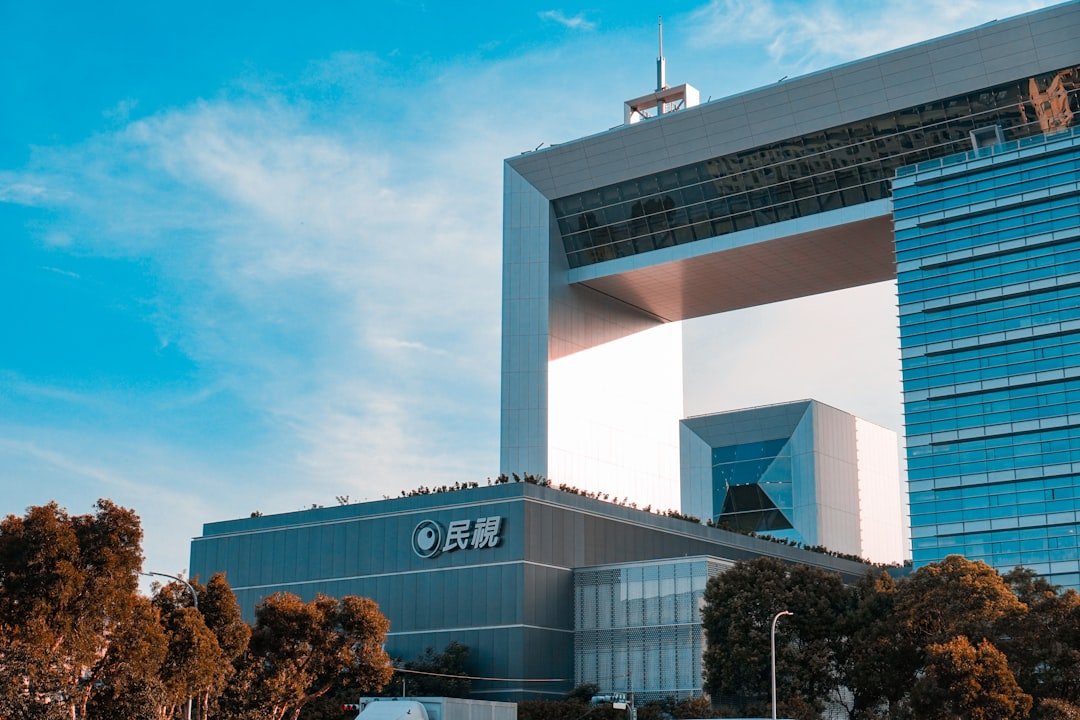
Taiwan used the SEMICON Taiwan trade show to promote its semiconductor industry as a foundation for deeper partnerships with democratic economies. Officials argued that the island’s technology should connect global supply chains while remaining anchored in predictable rules and trusted relationships.
Pressure to share production
Taiwan remains the central producer of the world’s most advanced chips, but allies want more manufacturing capacity on their own territory. TSMC is undertaking very large investments in Arizona, and Taiwanese officials signalled that companies plan further US projects. European representatives also used the trade show to promote a revised chips strategy and attract Taiwanese investment.
The shift presents a delicate balance. Overseas factories can make supply chains more resilient and strengthen political ties, yet Taiwan does not want to hollow out the industrial cluster that supports its economy and strategic importance.
Technology as diplomacy
With only a small number of formal diplomatic allies because of pressure from Beijing, Taiwan increasingly relies on economic and technological partnerships. Cooperation on advanced packaging, artificial intelligence, research and workforce training can deepen unofficial relations without requiring formal recognition.
Security and commercial risks
Companies must also manage export controls, potential tariffs, higher overseas operating costs and concern about technology leakage. The next phase of “chip diplomacy” will depend on whether Taiwan and its partners can distribute production while protecting intellectual property and keeping the island at the centre of research and advanced manufacturing.
References
Featured image: Photo by Lisanto/Unsplash.