 Zeynep Aziz
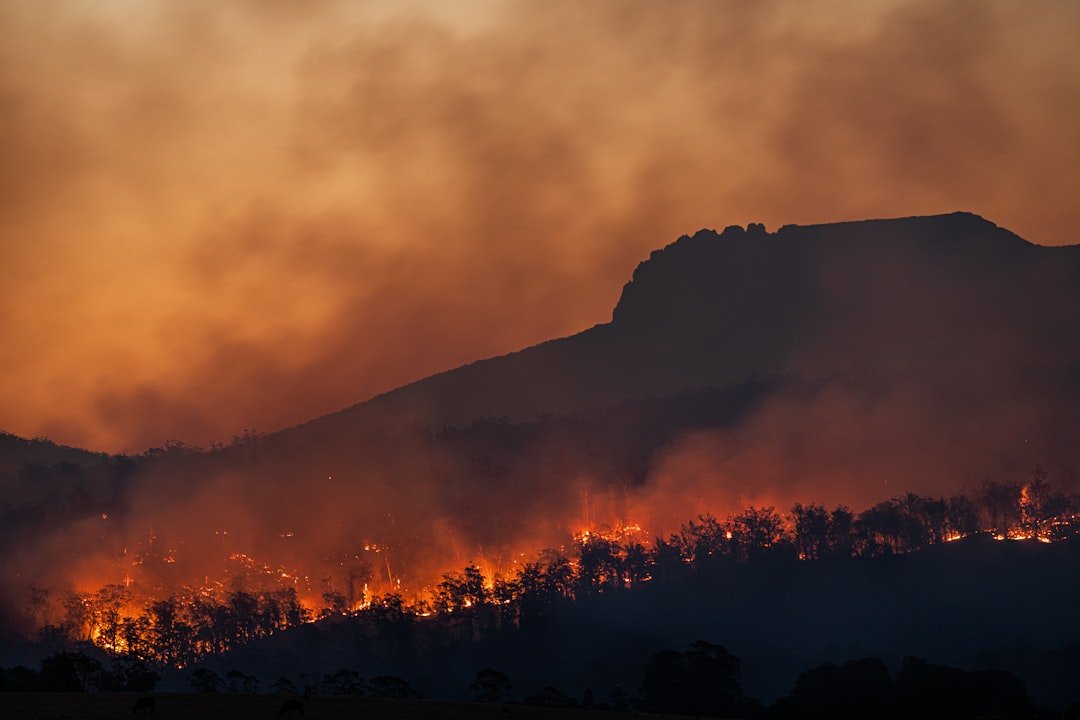
Wildfires and intensifying heatwaves are undermining progress on cleaner air, the World Meteorological Organization warned in its Air Quality and Climate Bulletin released on 7 September. The UN agency called for climate and pollution policies to be designed together because the two problems reinforce one another.
Smoke crosses borders
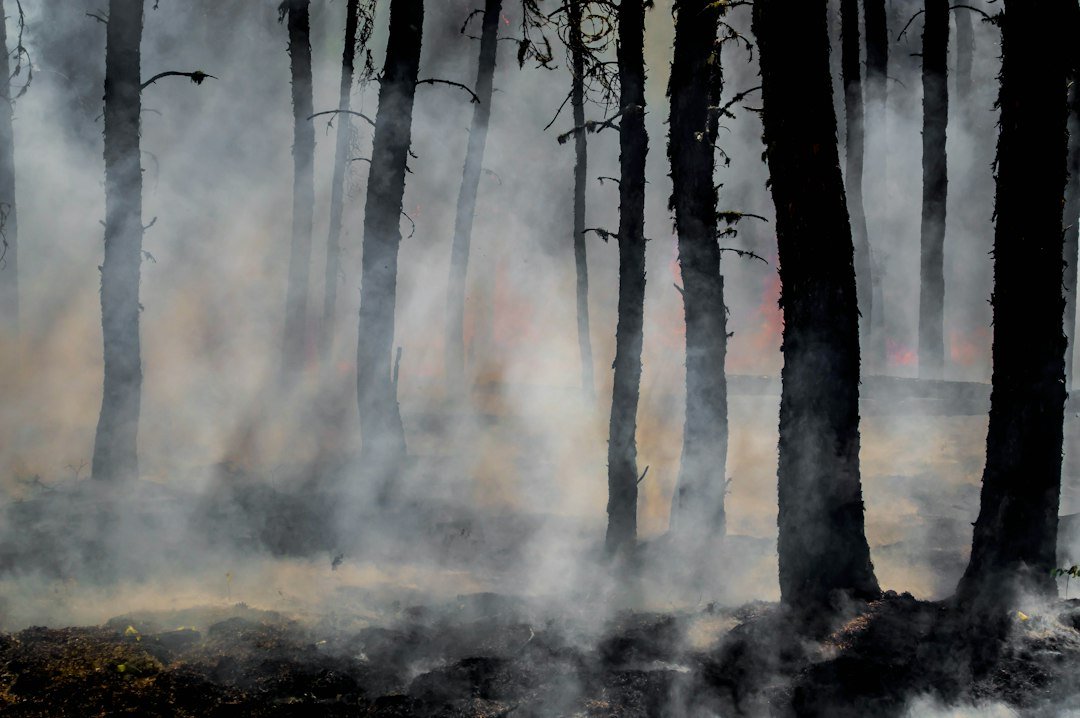
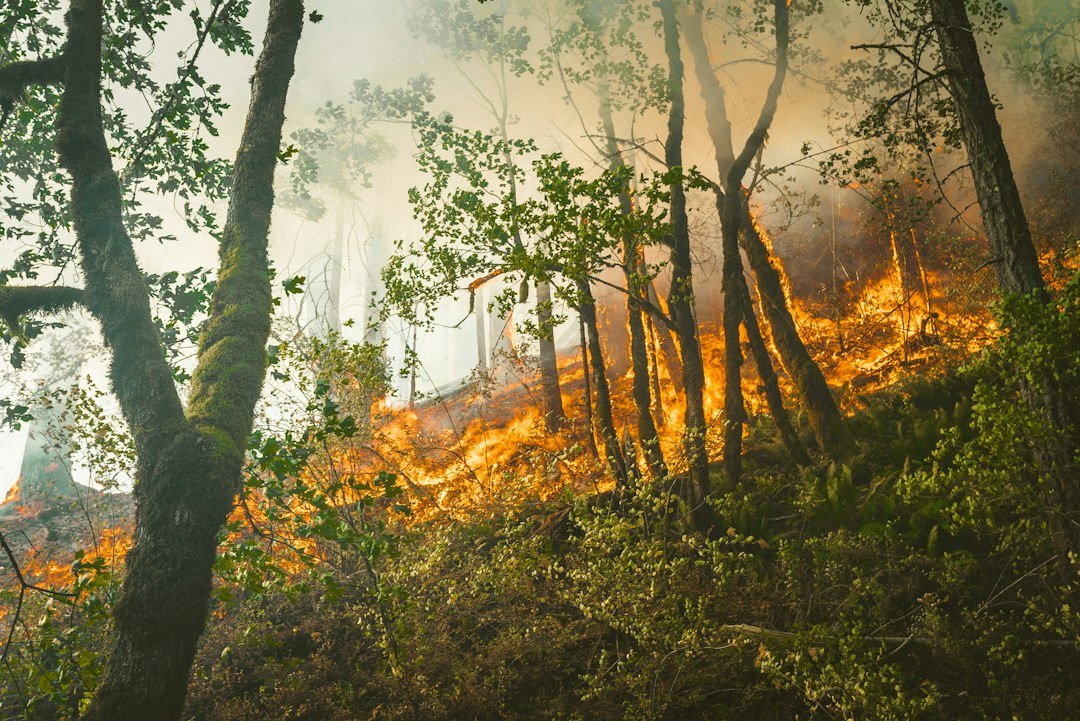
Wildfires release fine particulate matter, gases and toxic compounds that can travel hundreds or thousands of kilometres. The 2026 bulletin highlighted severe smoke episodes affecting northern Canada, parts of Russia and northwestern Spain. Communities far from flames can therefore face unhealthy air even when local industrial and transport emissions are falling.
Heat also accelerates the formation of ground-level ozone, a pollutant associated with respiratory and cardiovascular harm. Fine particles known as PM2.5 can penetrate deep into the lungs and enter the bloodstream. Children, older people, outdoor workers and people with existing illness face disproportionate risks.
A growing health burden
The bulletin referenced research linking the sharp rise in extreme fire-smoke events since the 1990s with tens of thousands of additional deaths annually. It also called for stronger monitoring of black carbon, airborne microplastics and other pollutants that remain poorly measured in many regions.
Integrated action
The WMO argues that early-warning systems, fire prevention, cleaner energy and heat-resilient urban planning can produce benefits for both climate and public health. More observations are needed in low-income countries where monitoring networks are sparse. Governments will also need cross-border protocols because smoke does not respect national boundaries.
References
Featured image: Photo by Matt Palmer/Unsplash.