 Mehmut Naser
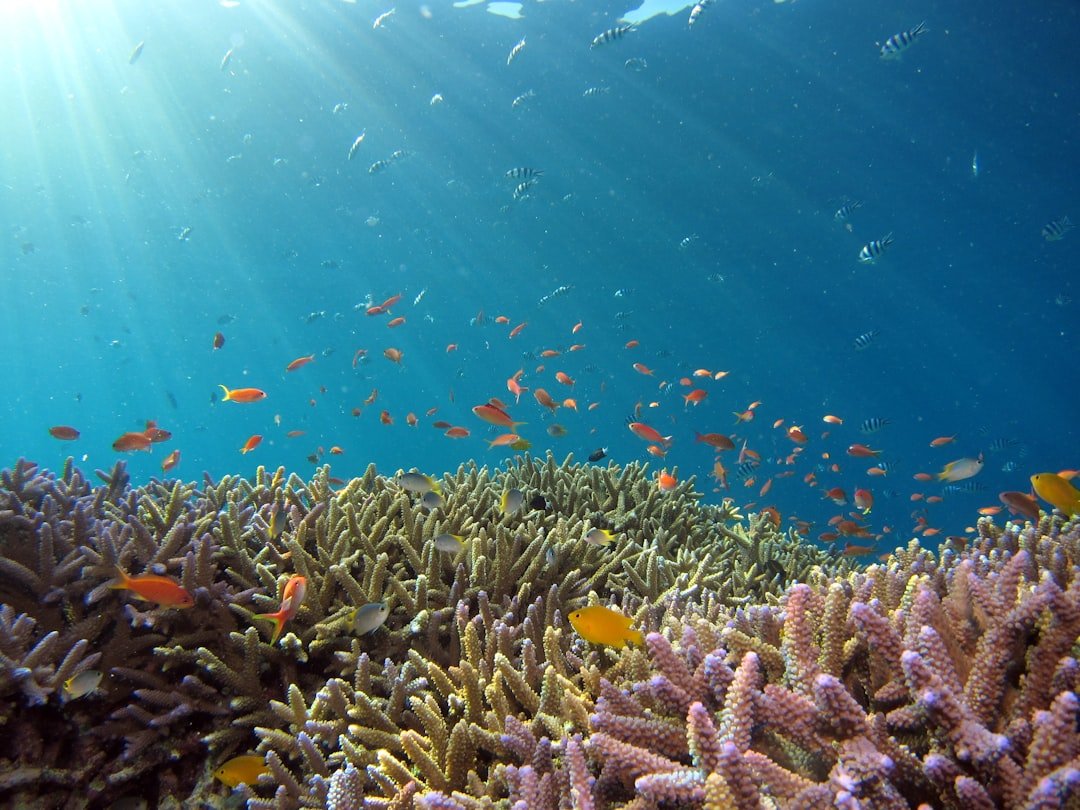
Soft coral communities around South Korea’s Jeju Island are showing widespread “slumping,” alarming divers and marine scientists who see the damage as another sign of rapidly changing ocean conditions.
What slumping means
Unlike reef-building hard corals, soft corals rely on internal water pressure to hold their shape. Stress can disrupt that system, leaving colonies collapsed across the seabed. Researchers say unusually warm water, intense rainfall and sudden changes in salinity may all contribute. The pattern resembles a serious episode recorded in 2024.
Citizen-science diving groups are photographing sites and sharing observations with the Korea Institute of Ocean Science and Technology. Scientists say repeated surveys, temperature records and species-level measurements are needed before the relative influence of heat, freshwater and other pollutants can be quantified.
Livelihoods and biodiversity
Jeju’s coral habitats support fish and invertebrates and are important to the island’s celebrated haenyeo women divers. Divers report changing species, degraded seabeds and falling catches, linking ecological stress with the survival of a distinctive maritime culture.
A global warning
NOAA’s Coral Reef Watch has documented unprecedented global exposure to bleaching-level heat stress since 2023. Soft-coral slumping is not identical to bleaching, but both show how marine heat and unstable water conditions can push sensitive organisms beyond their tolerance. Long-term monitoring and local controls on pollution and coastal development can improve resilience, though cutting greenhouse-gas emissions remains central.
References
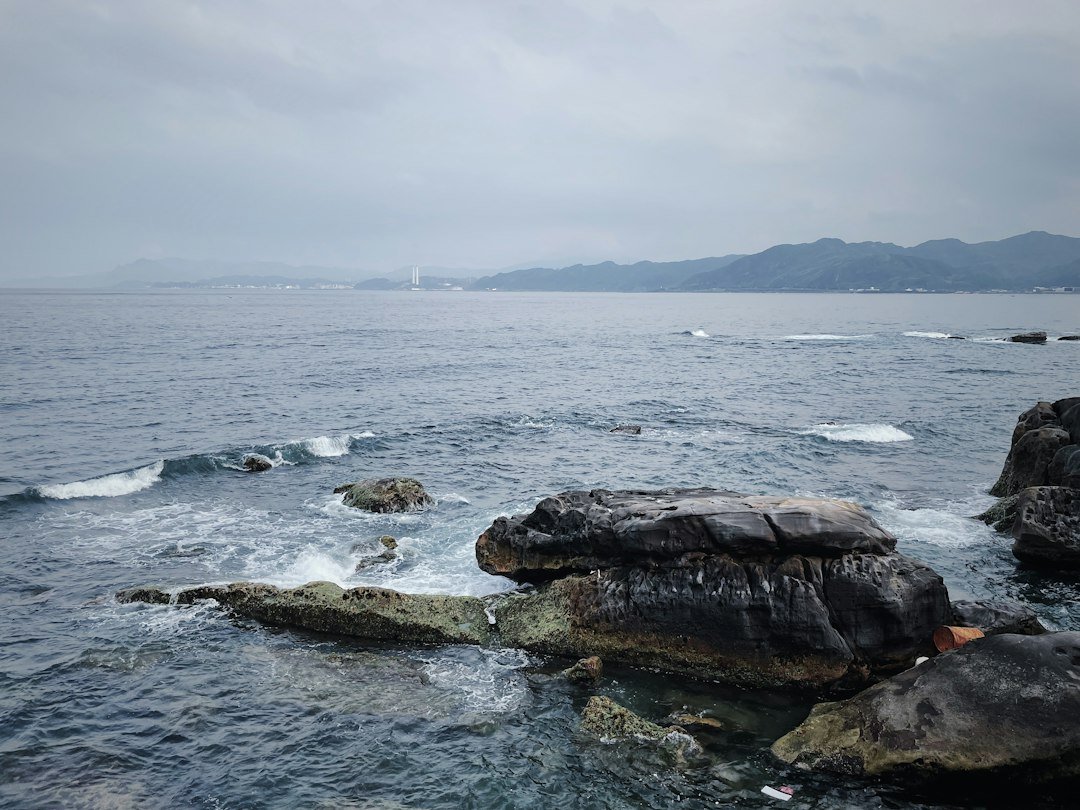
Featured image: Photo by Hiroko Yoshii/Unsplash.

 Zeynep Aziz