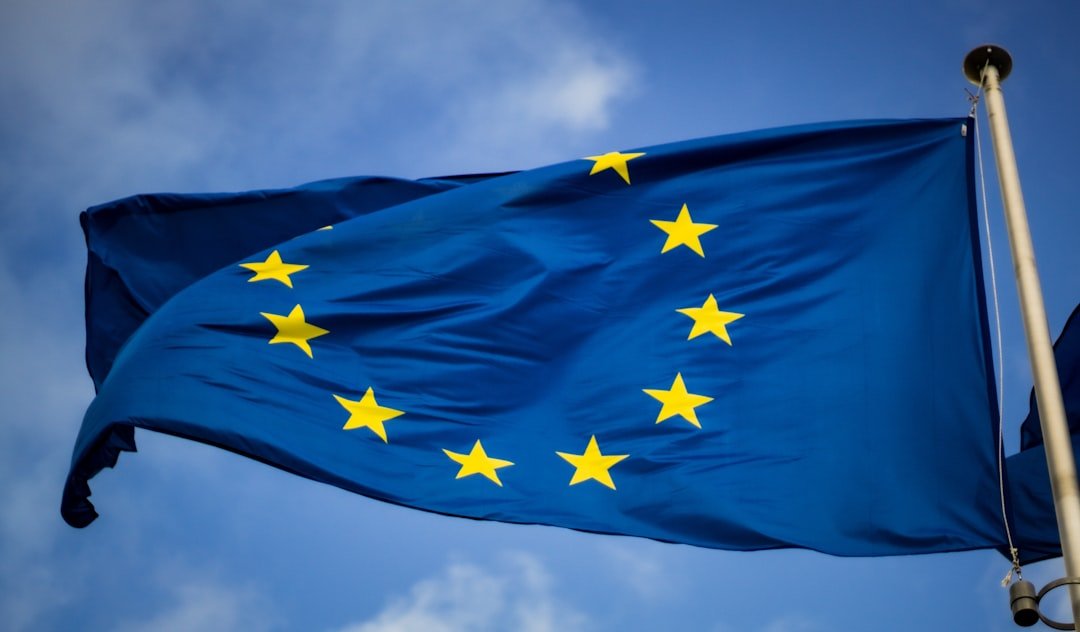
European Union governments continued negotiations over a compromise that could remove sanctions from Russia-linked businessmen Alisher Usmanov and Mikhail Fridman.
In exchange, the bloc would preserve restrictions on roughly 3,000 other people and entities sanctioned over Russia’s war in Ukraine, diplomats told Reuters.
The proposed arrangement has exposed divisions among member states. France and Luxembourg have supported delisting steps, while Latvia and other Baltic countries have warned against weakening pressure on Moscow.
The EU imposed asset freezes and travel bans on both businessmen in 2022, arguing that their positions and activities connected them to policies supporting the Kremlin.
Usmanov and Fridman have challenged the measures in court. Their cases form part of a broader legal and political debate over the evidence required to sustain individual sanctions.
One element of the compromise would extend the wider sanctions list for a longer period, reducing the frequency with which a single member state could threaten the renewal process.
EU envoys were expected to resume talks as officials sought unanimity, which is required for the bloc’s foreign-policy sanctions decisions.
Source: Reuters.
Featured photo: Christian Lue/Unsplash.

Zeynep Aziz is a social-affairs specialist, writer and advocate with advanced academic qualifications in both Social Sciences and International Relations. Her multidisciplinary education has given her a strong understanding of society, public policy, human rights and the political forces shaping Turkey’s domestic and international development.
For many years, Zeynep has been actively engaged in social affairs and initiatives supporting the rights and well-being of Turkish citizens. Her work pays particular attention to social equality, democratic participation and the protection of vulnerable and disadvantaged communities.
Women’s rights remain central to her interests and advocacy. She works to raise awareness of the challenges faced by women in Turkey, including discrimination, violence, unequal opportunities and barriers to full participation in political, professional and social life. She strongly supports women’s empowerment, equal access to education and employment, and effective legal protection for women and girls.
Alongside her social work, Zeynep closely follows Turkey’s international relations and foreign policy. She takes a keen interest in Turkey’s relations with Europe, neighbouring countries and international institutions, as well as the impact of regional and global developments on Turkish society.
Through her writing and public engagement, Zeynep seeks to encourage informed discussion, strengthen respect for human rights and contribute to a fairer, more democratic and inclusive Turkey.
 Zeynep Aziz