Turkey’s parliament speaker, Numan Kurtulmuş, said a defence agreement linking Turkey, Saudi Arabia and Pakistan could eventually develop into a broader security framework for the Muslim world.
The three countries signed the Mecca Joint Defence Agreement in August, establishing a collective-defence principle under which an attack on one member would be treated as an attack on all.
Kurtulmuş said the accord is expected to reach Turkey’s parliament after lawmakers return from recess in October, because international agreements require parliamentary approval before taking effect.
He stressed that the pact was not designed against Iran or any other specific country. Instead, Ankara views it as a mechanism intended to improve regional security during a period of widening conflict.
The speaker added that Iran could potentially join the arrangement in the future, while other regional governments might also participate if the framework expands.
Military chiefs from Turkey, Saudi Arabia and Pakistan are due to discuss Riyadh’s security requirements, although Turkish officials say current assistance would largely remain bilateral until ratification is complete.
The proposal places Turkey at the centre of an emerging regional security debate and could reshape defence coordination across the Middle East if additional governments decide to join.
Source: Reuters, 25 September 2026.
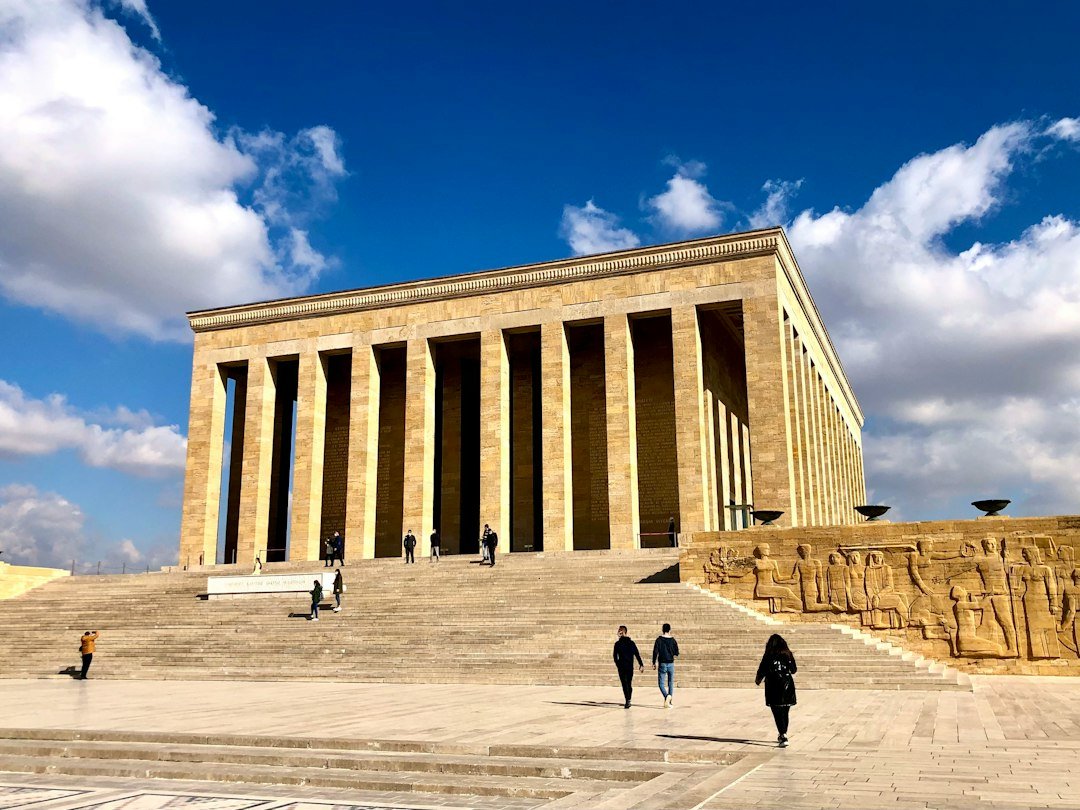
Featured photo: Youssef Mohamed via Unsplash.

Zeynep Aziz is a social-affairs specialist, writer and advocate with advanced academic qualifications in both Social Sciences and International Relations. Her multidisciplinary education has given her a strong understanding of society, public policy, human rights and the political forces shaping Turkey’s domestic and international development.
For many years, Zeynep has been actively engaged in social affairs and initiatives supporting the rights and well-being of Turkish citizens. Her work pays particular attention to social equality, democratic participation and the protection of vulnerable and disadvantaged communities.
Women’s rights remain central to her interests and advocacy. She works to raise awareness of the challenges faced by women in Turkey, including discrimination, violence, unequal opportunities and barriers to full participation in political, professional and social life. She strongly supports women’s empowerment, equal access to education and employment, and effective legal protection for women and girls.
Alongside her social work, Zeynep closely follows Turkey’s international relations and foreign policy. She takes a keen interest in Turkey’s relations with Europe, neighbouring countries and international institutions, as well as the impact of regional and global developments on Turkish society.
Through her writing and public engagement, Zeynep seeks to encourage informed discussion, strengthen respect for human rights and contribute to a fairer, more democratic and inclusive Turkey.

 Zeynep Aziz