 Zeynep Aziz

Israeli airstrikes on the southern Lebanese town of Kfar Rumman killed at least 11 people early on 7 September, including two children and two emergency workers, according to Lebanon’s National News Agency. Five other people were reported injured after a residential building and a civilian vehicle were hit.
A sharp escalation
The attack followed another deadly day of strikes across southern Lebanon. Reporting from the area indicated that some attacks came without advance evacuation warnings, increasing the danger to families and first responders. Israel’s military had not immediately provided a detailed account of the Kfar Rumman targets when the initial reports emerged.
The violence is especially significant because it comes after a June ceasefire that had reduced, but not ended, cross-border attacks. Israeli forces have continued operations in areas they describe as a security zone, while accusing Hezbollah of maintaining military infrastructure. Lebanese officials say continuing strikes violate the truce and prevent displaced communities from returning safely.
Civilians and medics at risk
The reported deaths of medics add to concern about the protection of emergency personnel. Under international humanitarian law, parties must distinguish between military objectives and civilians and must take feasible precautions to reduce civilian harm. The absence of warning does not by itself decide legality, but it is a central issue when assessing precautions and proportionality.
What happens next
The strike risks weakening diplomatic efforts to consolidate the ceasefire. Lebanese authorities are expected to press international mediators for guarantees, while residents face renewed displacement and uncertainty. Independent verification of the target, casualty identities and military claims will remain essential as more information becomes available.
References
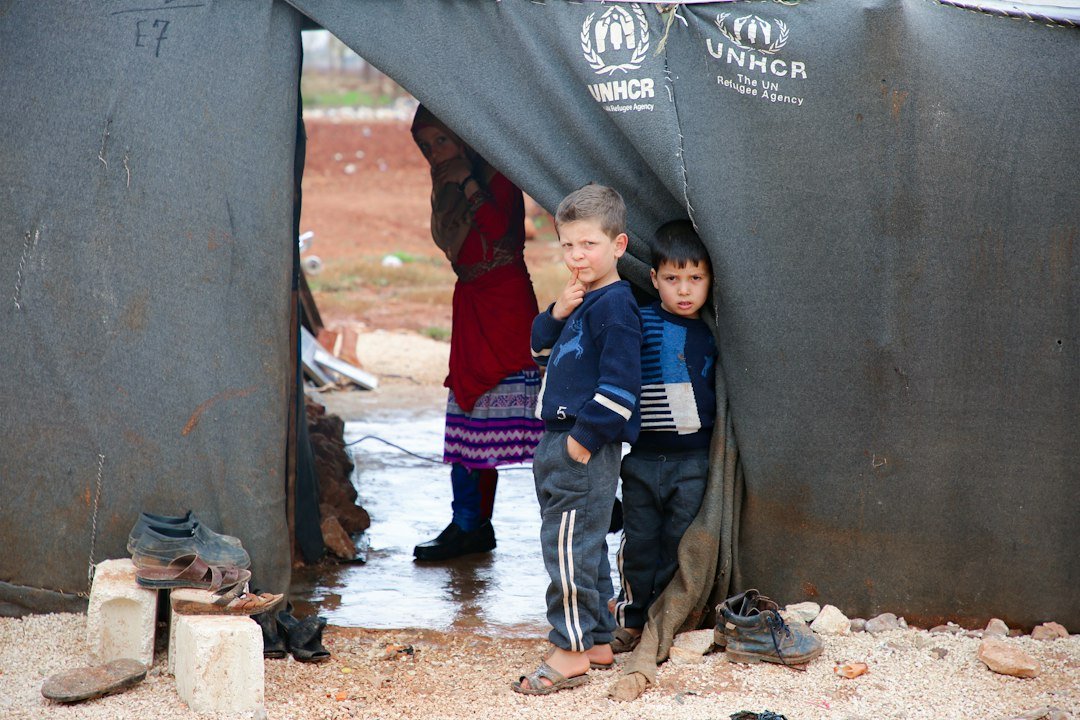
Featured image: Illustrative photo by Mohamad Mohsen/Unsplash.