 Mehmut Naser
Iran says it will publish maps for a new shipping corridor through the Strait of Hormuz and designate a restricted zone in nearby Gulf waters after a renewed exchange of attacks involving the United States and Iranian-linked vessels.
Shipping at the centre of escalation
Iranian officials warned that further attacks would bring a faster and more painful response. The United States said it had struck Iranian oil tankers following attacks on military and commercial shipping. Tehran, meanwhile, reported operations against US-affiliated vessels and challenged the maritime restrictions imposed on its oil trade.
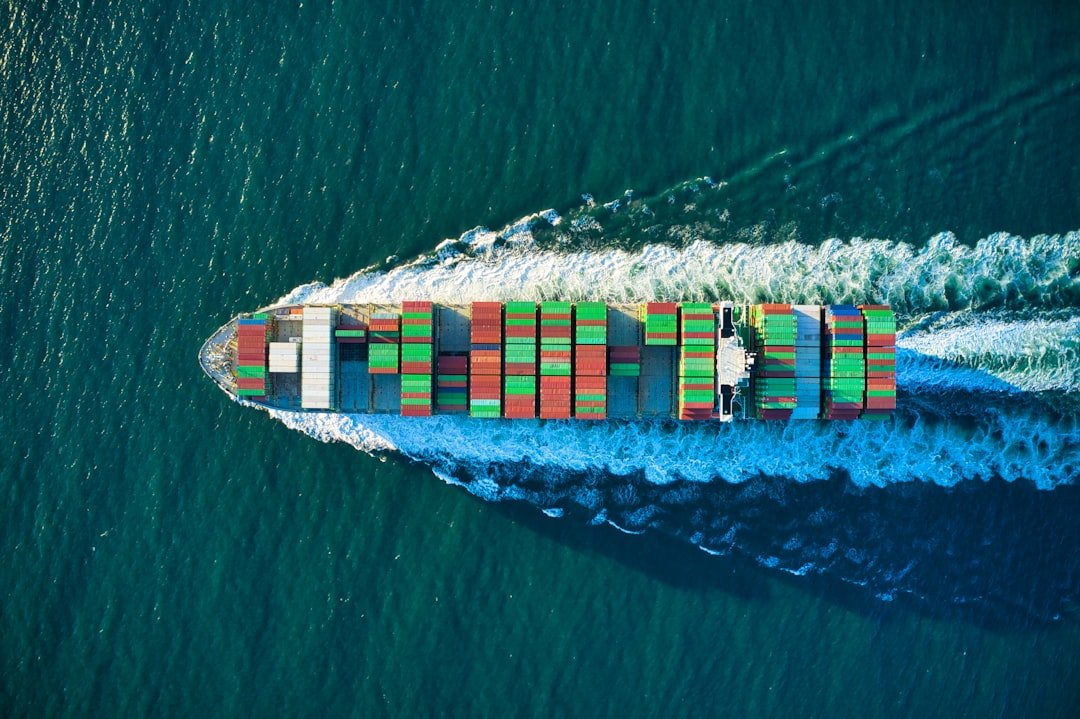
The Strait of Hormuz is one of the world’s most important energy routes. Even when the physical flow of oil continues, military alerts, altered routing and higher insurance costs can quickly raise freight and fuel prices. Oil markets moved higher as traders assessed the risk of a prolonged disruption.
Unclear legal and practical details
Iran said the planned corridor had been discussed with Oman, but full coordinates, navigation rules and enforcement procedures were not immediately available. Shipping companies will need formal notices to mariners and guidance from flag states, insurers and naval authorities before changing routes.
Economic pressure inside Iran
The confrontation comes as sanctions, currency weakness and inflation deepen pressure on Iran’s economy. Officials promised domestic reforms while rejecting external coercion. Diplomatic efforts will be judged on whether they can separate commercial navigation from military retaliation and establish reliable channels to prevent miscalculation. Until then, shipowners and coastal states face elevated security and environmental risks.
References
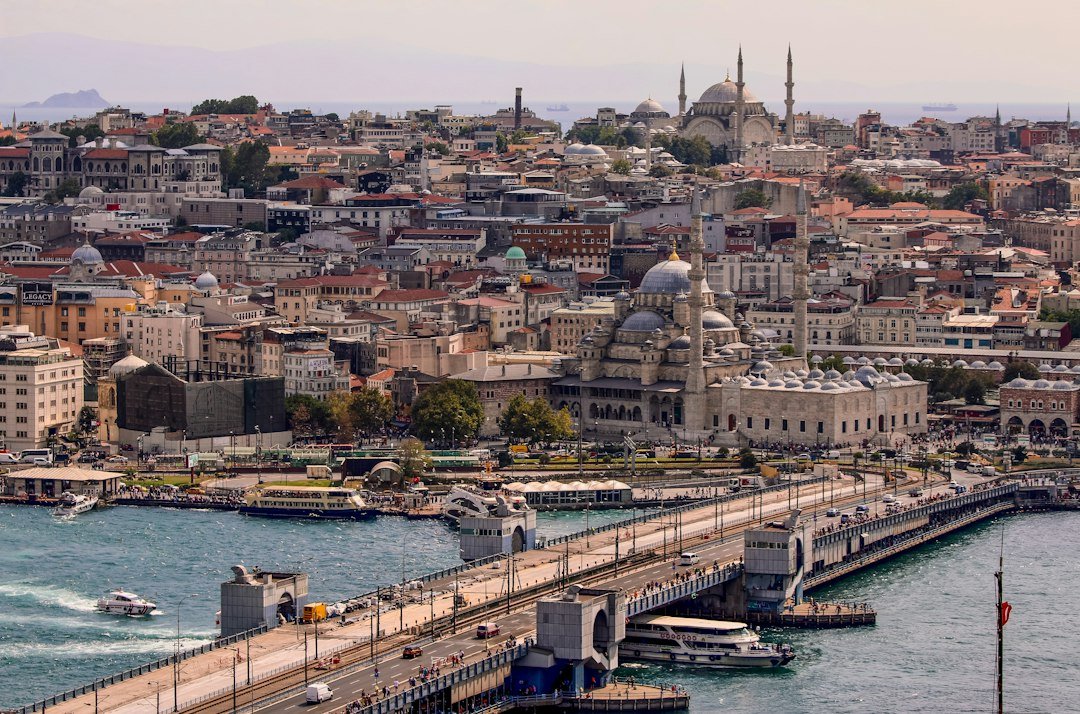
Featured image: Photo by Venti Views/Unsplash.


 Zeynep Aziz