 Mehmut Naser
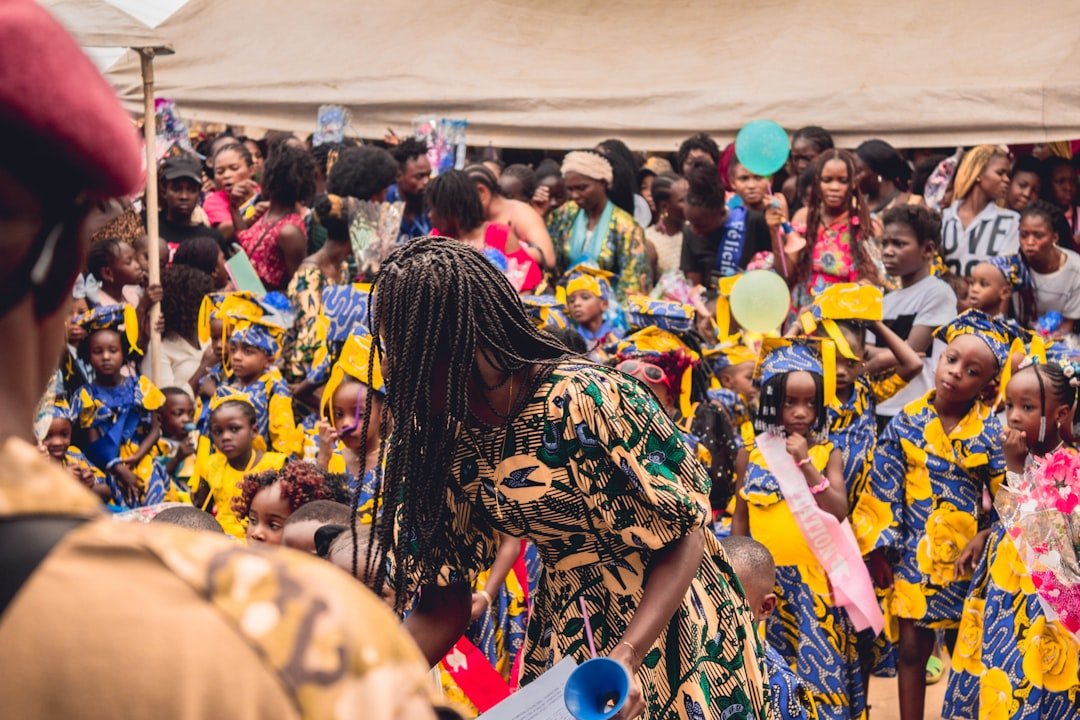
Safe-burial teams in the Democratic Republic of Congo are working under intense pressure as the country confronts a large outbreak of Ebola disease caused by Bundibugyo virus. Responders face infection risk, community hostility, unpaid wages and violence in areas where the health system was already fragile.
Why burials are essential
Ebola remains highly infectious after death. Specially trained teams disinfect, wrap and transport bodies while trying to preserve dignity and allow families to observe from a safe distance. These rules can conflict with traditions that involve washing or touching the deceased, creating anger when communication is poor.
Responders describe psychological trauma from handling repeated deaths and confronting grieving relatives. Fatigue can also increase the risk of mistakes in protective equipment or decontamination.
A difficult outbreak
The CDC says the outbreak is spreading faster than many earlier episodes and has affected several eastern and northeastern provinces. Insecurity, displacement and strikes by health workers complicate contact tracing, laboratory testing and isolation. The Bundibugyo strain also presents vaccination challenges because the best-established Ebola vaccine targets a different virus species.
Trust is a medical intervention
Public-health experts stress that communities must receive accurate information, respectful treatment and practical support during quarantine. Safe burials work best when families can see the process, religious leaders are involved and responders explain each step. Paying teams reliably, protecting health facilities and supporting survivors are as important as laboratory capacity.
Case numbers can change quickly. Readers should rely on updates from Congo’s health ministry, WHO and recognised public-health agencies rather than rumours circulating on social media.
References
Featured image: Photo by Johnnathan Tshibangu/Unsplash.

 Zeynep Aziz