 Mehmut Naser
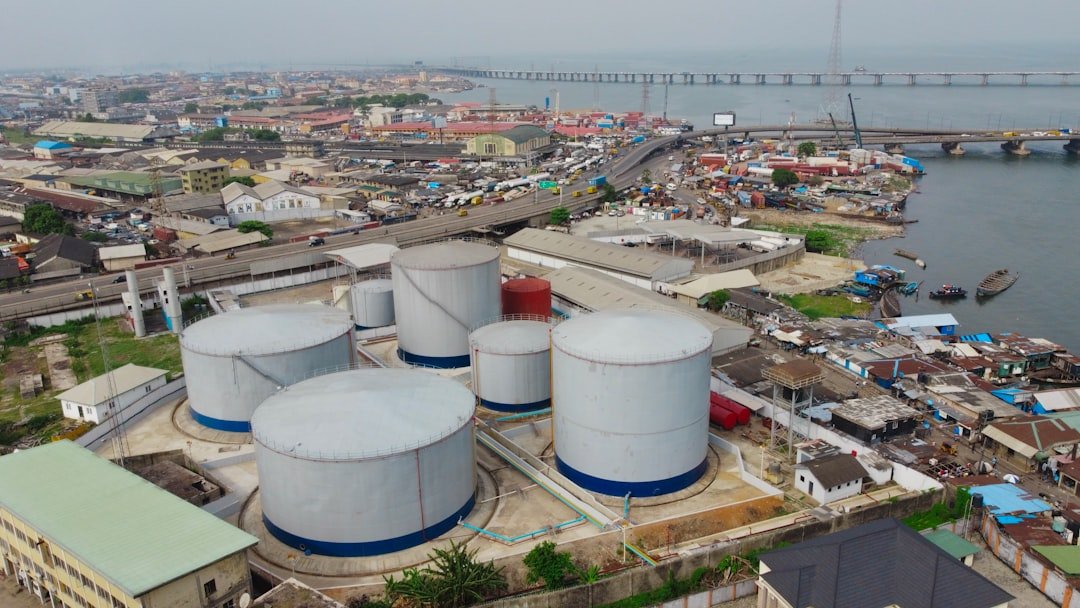
At least 37 people were reported dead after inhaling toxic fumes while attempting to tap an oil pipeline in southern Nigeria, according to an environmental organisation monitoring the Niger Delta. Initial reporting said authorities were still working to confirm the precise toll and circumstances.
A dangerous pipeline breach
The victims were reportedly gathered near a crude-oil line when pressurised fumes escaped. Pipeline tapping is extremely dangerous because crude oil and associated gases can cause poisoning, fire and explosions. Confined terrain and darkness can make escape more difficult once a leak begins.
Nigeria has long struggled with illegal connections, theft and ageing energy infrastructure. The consequences extend beyond lost production: spills damage fishing grounds and farmland, while explosions and toxic exposure repeatedly kill residents and people involved in informal refining.
Need for verified findings
Because the first casualty figure came from a civil-society group, investigators must publish a verified list of victims, medical findings and the pipeline operator’s account. It will also be important to determine whether security agencies had received warnings and how quickly emergency teams reached the area.
Beyond enforcement
Authorities frequently respond to oil theft through arrests and security operations, but poverty, unemployment and distrust of the petroleum industry sustain the illicit economy. A durable response requires safer infrastructure, rapid leak detection, environmental restoration and legitimate livelihoods for affected communities. Families also need transparent identification, compensation procedures and access to health monitoring.
References
Featured image: Photo by Vitalis Nwenyi/Unsplash.

 Zeynep Aziz