France has begun drafting a United Nations Security Council resolution that would establish an international mission to restore freedom of navigation through the Strait of Hormuz.
The initiative is being developed in coordination with the United States following discussions between French President Emmanuel Macron and U.S. President Donald Trump in New York.
The strait was a major route for global oil and liquefied natural gas shipments before the current conflict sharply reduced visible commercial traffic.
Macron said diplomatic options could allow more container ships and oil tankers to transit even before negotiators achieve a comprehensive political agreement.
France has attempted similar Security Council action previously, but earlier efforts failed amid objections from China and Russia over language viewed as unfairly directed against Iran.
Diplomats are considering a more narrowly framed proposal focused on maritime safety and commercial access, with the aim of attracting wider support among council members.
Any mission would face difficult questions over its mandate, military rules and relations with Iran, but restoring reliable passage could ease pressure on energy prices and global supply chains.
Source: Reuters.
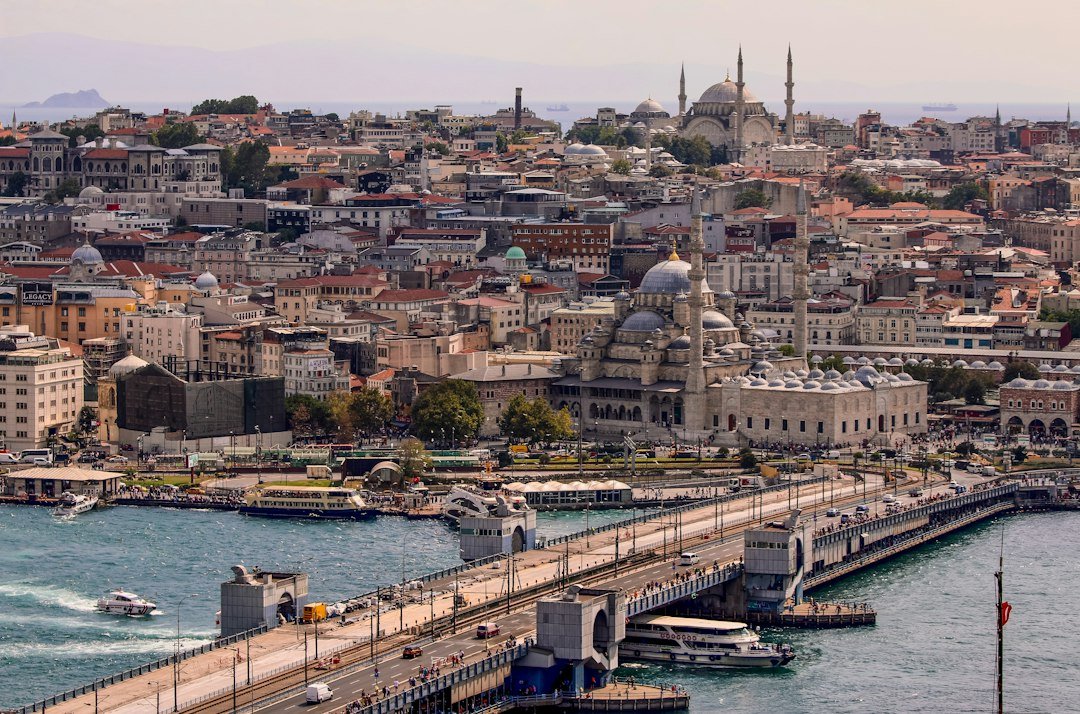
Featured photo: Fredrick F./Unsplash. The image is illustrative.

Zeynep Aziz is a social-affairs specialist, writer and advocate with advanced academic qualifications in both Social Sciences and International Relations. Her multidisciplinary education has given her a strong understanding of society, public policy, human rights and the political forces shaping Turkey’s domestic and international development.
For many years, Zeynep has been actively engaged in social affairs and initiatives supporting the rights and well-being of Turkish citizens. Her work pays particular attention to social equality, democratic participation and the protection of vulnerable and disadvantaged communities.
Women’s rights remain central to her interests and advocacy. She works to raise awareness of the challenges faced by women in Turkey, including discrimination, violence, unequal opportunities and barriers to full participation in political, professional and social life. She strongly supports women’s empowerment, equal access to education and employment, and effective legal protection for women and girls.
Alongside her social work, Zeynep closely follows Turkey’s international relations and foreign policy. She takes a keen interest in Turkey’s relations with Europe, neighbouring countries and international institutions, as well as the impact of regional and global developments on Turkish society.
Through her writing and public engagement, Zeynep seeks to encourage informed discussion, strengthen respect for human rights and contribute to a fairer, more democratic and inclusive Turkey.
 Zeynep Aziz