 faultlineviews@gmail.com

Large-scale fighting erupted between Armenian and Azerbaijani forces around Nagorno-Karabakh on 27 September 2020. The confrontation quickly grew beyond a border incident, involving artillery, drones and missile strikes across a wide area.
Competing claims
Each side accused the other of starting the hostilities. Nagorno-Karabakh was internationally recognized as part of Azerbaijan but was governed by ethnic Armenian authorities supported by Armenia. Decades of negotiations had failed to produce a durable political settlement.
Human and regional costs
The war caused thousands of military deaths and civilian casualties while displacing communities. It also threatened energy and transport infrastructure in the South Caucasus. Turkey strongly backed Azerbaijan, while Russia maintained close ties with both states and later became the principal ceasefire broker.
Significance
Azerbaijan’s battlefield advances changed territorial control and overturned the military balance established after the 1990s war. The conflict showed how drones and precision weapons could reshape a long-frozen dispute while diplomacy struggled to keep pace.
Sources
- Reuters: outbreak and background of the fighting
- Council on Foreign Relations: Nagorno-Karabakh conflict tracker
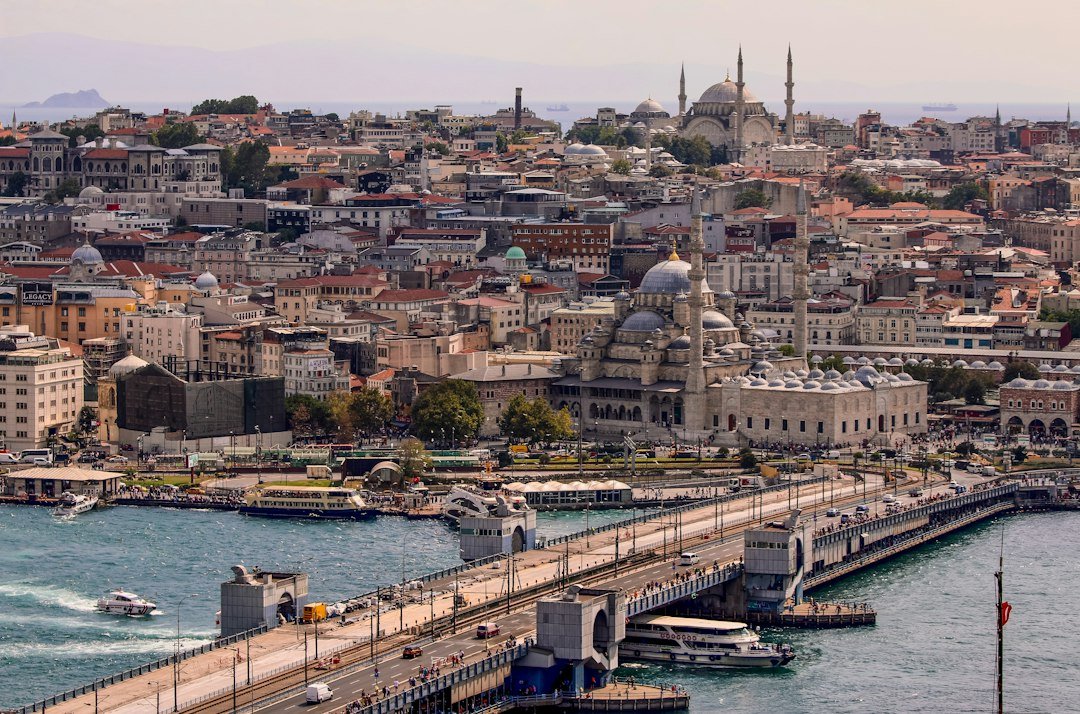
Featured image is an illustrative Baku skyline. Photo by Daniel Silva on Unsplash.


 Zeynep Aziz