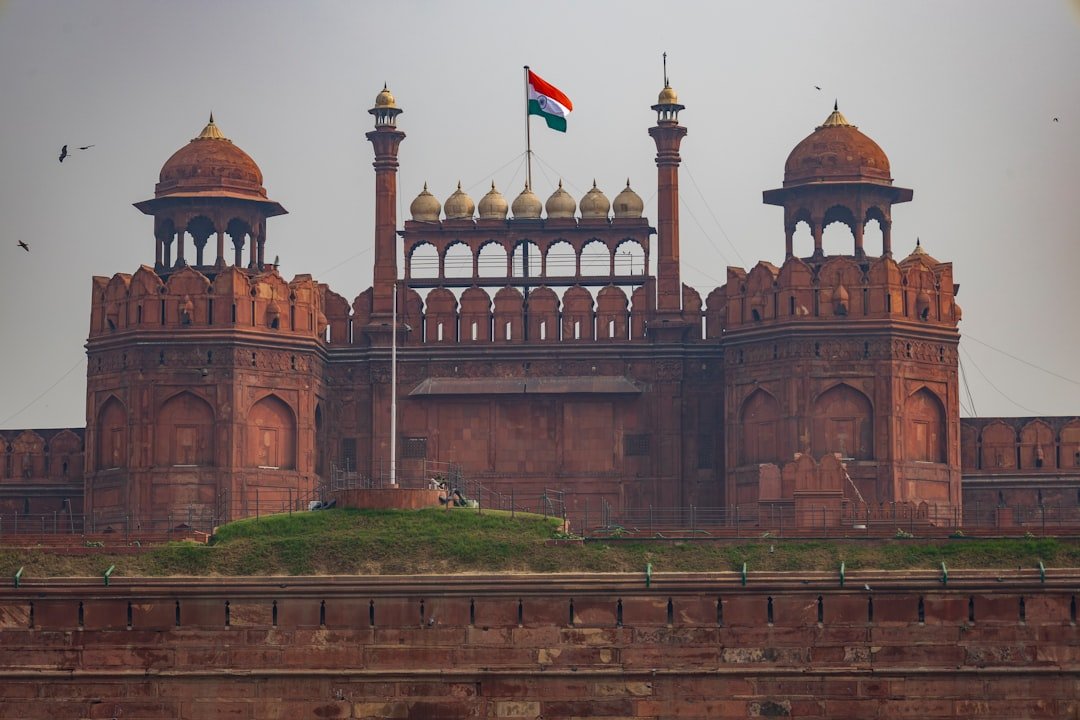
NEW DELHI — India is preparing to host the BRICS leaders’ summit on 12–13 September, with regional conflict, energy security and financial cooperation expected to dominate discussions.
The expanded organization includes states with competing strategic interests. Tensions involving Iran and the United Arab Emirates have made agreement on the Middle East particularly difficult.
Leaders and representatives from China, Russia, Iran, South Africa, Egypt, Indonesia and other members are expected to attend. The summit will also provide opportunities for major bilateral meetings.
India is promoting links between members’ central-bank digital currencies to make cross-border payments faster and cheaper. Technical differences, trade imbalances and security concerns remain substantial barriers.
New Delhi says payment cooperation is not intended to replace the United States dollar immediately or create a single BRICS currency. Earlier proposals for shared financial infrastructure have moved slowly.
The final declaration will test whether the enlarged bloc can translate its claim to represent the Global South into practical cooperation while its members disagree on major security questions.
Sources
Featured photo: Martijn Vonk/Unsplash

Zeynep Aziz is a social-affairs specialist, writer and advocate with advanced academic qualifications in both Social Sciences and International Relations. Her multidisciplinary education has given her a strong understanding of society, public policy, human rights and the political forces shaping Turkey’s domestic and international development.
For many years, Zeynep has been actively engaged in social affairs and initiatives supporting the rights and well-being of Turkish citizens. Her work pays particular attention to social equality, democratic participation and the protection of vulnerable and disadvantaged communities.
Women’s rights remain central to her interests and advocacy. She works to raise awareness of the challenges faced by women in Turkey, including discrimination, violence, unequal opportunities and barriers to full participation in political, professional and social life. She strongly supports women’s empowerment, equal access to education and employment, and effective legal protection for women and girls.
Alongside her social work, Zeynep closely follows Turkey’s international relations and foreign policy. She takes a keen interest in Turkey’s relations with Europe, neighbouring countries and international institutions, as well as the impact of regional and global developments on Turkish society.
Through her writing and public engagement, Zeynep seeks to encourage informed discussion, strengthen respect for human rights and contribute to a fairer, more democratic and inclusive Turkey.
 Zeynep Aziz