 Zeynep Aziz
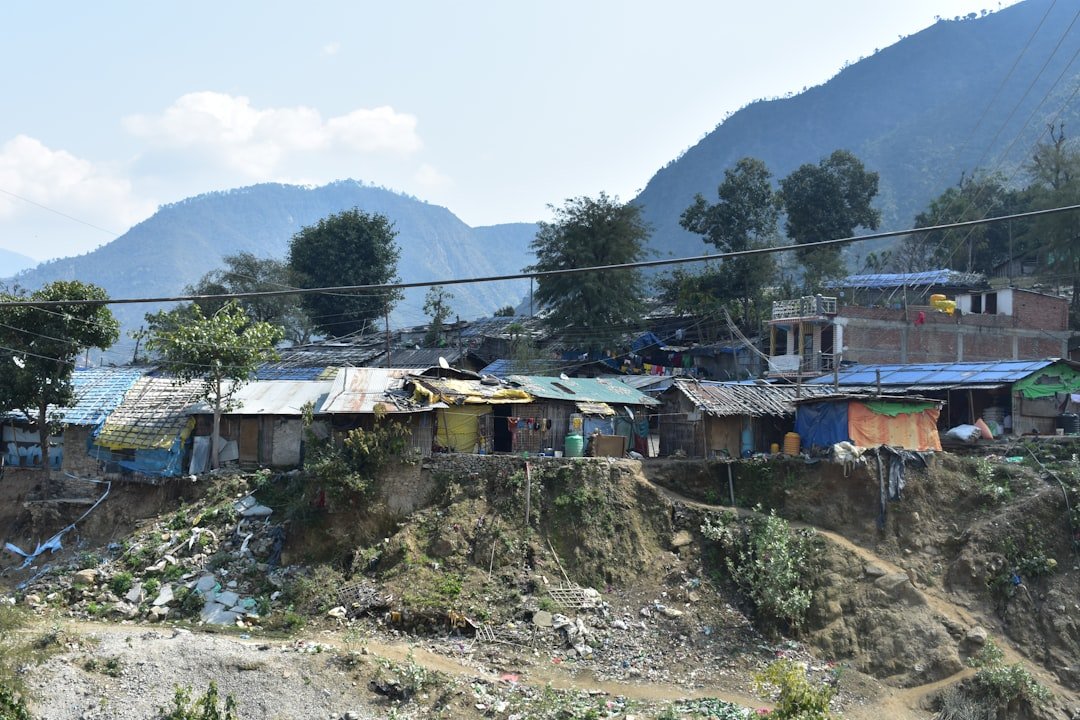
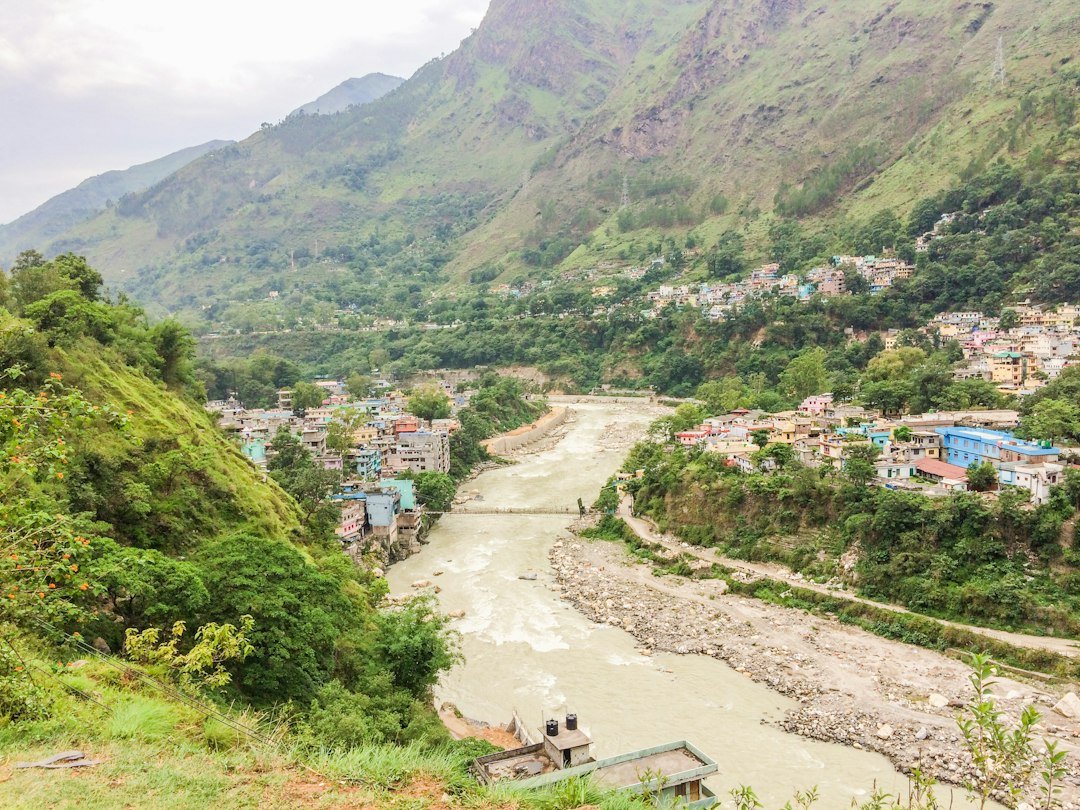
Rescue teams worked through deep mud and shattered infrastructure on 28 August after catastrophic flash floods devastated communities along the Himalayan border between Nepal and China. Helicopters evacuated stranded residents while ground crews searched collapsed buildings and riverbanks for survivors.
The disaster followed a major collapse involving rock, bedrock and glacial material on 26 August. The resulting surge raced through narrow valleys and river systems, destroying homes, roads, bridges and commercial facilities on both sides of the border.
Authorities reported a rapidly rising death toll and hundreds of people missing during the initial rescue phase. Among those unaccounted for were foreign travellers and workers who had been in the border region when the flood struck.
Satellite images taken before and after the event showed extensive physical changes to the landscape. Areas that had supported settlements, transport routes and border trade were covered by debris, while parts of the river channel appeared dramatically widened.
Emergency teams faced unstable slopes, damaged communications and difficult weather. A newly formed lake also raised fears of further flooding, prompting officials to monitor water levels and warn downstream communities to remain alert.
The disaster interrupted a strategically important trade and tourism corridor linking Nepal with Tibet. Rebuilding is expected to require significant investment because roads and bridges in mountainous terrain are costly and technically difficult to replace.
Scientists have repeatedly warned that Himalayan communities face growing risks from unstable glaciers, glacial lakes, intense rainfall and thawing mountain slopes. Individual disasters require detailed investigation, but climate change is increasing several conditions that can make such events more destructive.
The immediate priority remained the search for missing people, delivery of food and medical assistance, and relocation of families from unsafe areas. Authorities also began assessing longer-term needs, including restored transport links and stronger early-warning systems.
References
Associated Press live coverage
Associated Press satellite analysis
Scan to open this article