Turkey began a 48-hour curfew in 31 provinces at midnight on 11 April 2020, introducing its first broad weekend stay-at-home order of the pandemic.
Restrictions across major cities
The measure covered Istanbul, Ankara and other large urban areas. Residents were generally required to remain at home, while bakeries, pharmacies and health facilities continued operating. The late announcement prompted crowds at shops shortly before the restrictions began, raising concern about infection risks.
The episode demonstrated the challenge of communicating emergency public-health rules with adequate notice. Turkey subsequently used a series of weekend and holiday restrictions while seeking to keep much industrial production operating.
Why it mattered
This event formed part of Turkey’s political, security, economic or social record in 2020 and continued to shape public debate beyond the immediate news cycle.
Sources
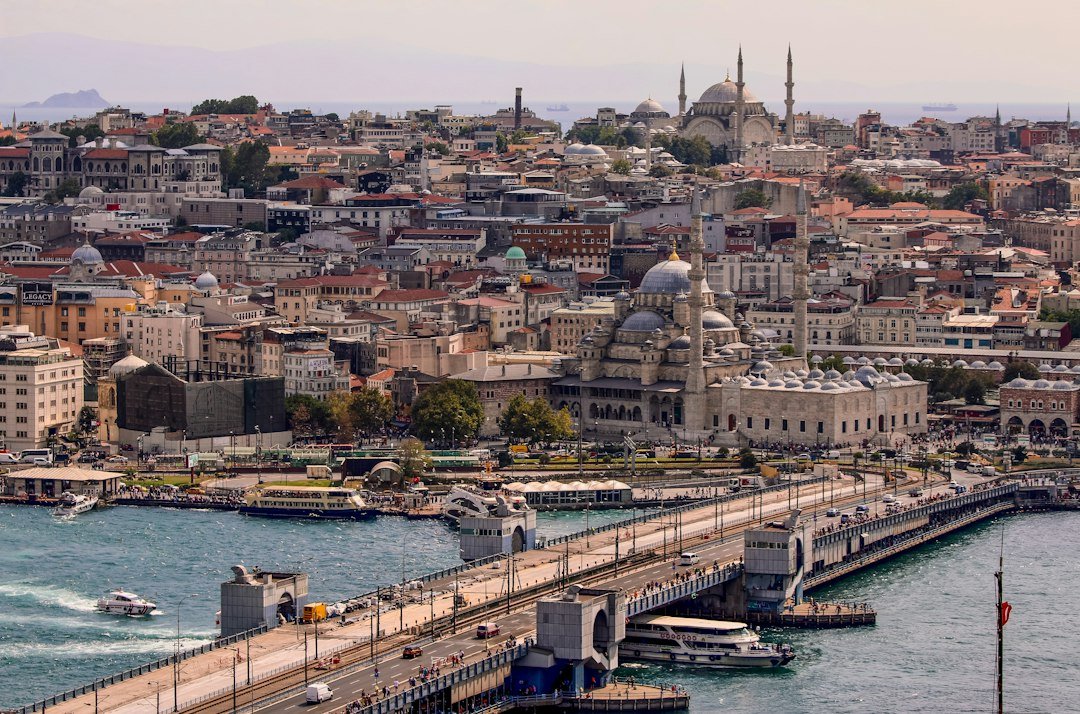
Featured image is illustrative and credited in the media attachment; it is not presented as an image of the event.

Zeynep Aziz is a social-affairs specialist, writer and advocate with advanced academic qualifications in both Social Sciences and International Relations. Her multidisciplinary education has given her a strong understanding of society, public policy, human rights and the political forces shaping Turkey’s domestic and international development.
For many years, Zeynep has been actively engaged in social affairs and initiatives supporting the rights and well-being of Turkish citizens. Her work pays particular attention to social equality, democratic participation and the protection of vulnerable and disadvantaged communities.
Women’s rights remain central to her interests and advocacy. She works to raise awareness of the challenges faced by women in Turkey, including discrimination, violence, unequal opportunities and barriers to full participation in political, professional and social life. She strongly supports women’s empowerment, equal access to education and employment, and effective legal protection for women and girls.
Alongside her social work, Zeynep closely follows Turkey’s international relations and foreign policy. She takes a keen interest in Turkey’s relations with Europe, neighbouring countries and international institutions, as well as the impact of regional and global developments on Turkish society.
Through her writing and public engagement, Zeynep seeks to encourage informed discussion, strengthen respect for human rights and contribute to a fairer, more democratic and inclusive Turkey.

 Zeynep Aziz