Global food prices climbed in August to their highest level in nearly four years, according to the United Nations Food and Agriculture Organization.
Pressure across major commodities
The FAO index rose to 133.3, with increases across cereals, vegetable oils, sugar, meat and dairy. Weather-related production problems and disruption linked to conflicts and Black Sea shipping contributed to the change.
Higher benchmark prices do not affect every country equally. Exchange rates, import dependence, subsidies and local harvests shape what consumers ultimately pay. The rise nevertheless adds pressure on low-income households and governments already managing food insecurity and constrained budgets.
Sources

Mehmut is a scholar, author and political commentator specializing in relations between Turkey and the European Union. He earned his PhD in the United States, where his doctoral research examined the political, diplomatic and institutional dimensions of EU–Turkey relations.
Throughout his academic and professional career, Mehmut has written numerous articles addressing Turkey’s relationship with Europe, democratic development, social justice, political reform and the country’s changing role in regional and international affairs. His work combines academic analysis with a strong interest in the practical challenges confronting Turkish society.
Mehmut is committed to promoting a democratic, secular and socially just Turkey founded on equality, human rights, freedom of expression and the rule of law. He advocates peaceful political participation, accountable public institutions and policies that protect workers, disadvantaged communities and citizens from every section of society.
Through his research and writing, Mehmut seeks to contribute to informed public debate about Turkey’s future. He believes that meaningful democratic reform, social solidarity and constructive engagement with Europe can help Turkey build a fairer, more inclusive and more prosperous society.

 Mehmut Naser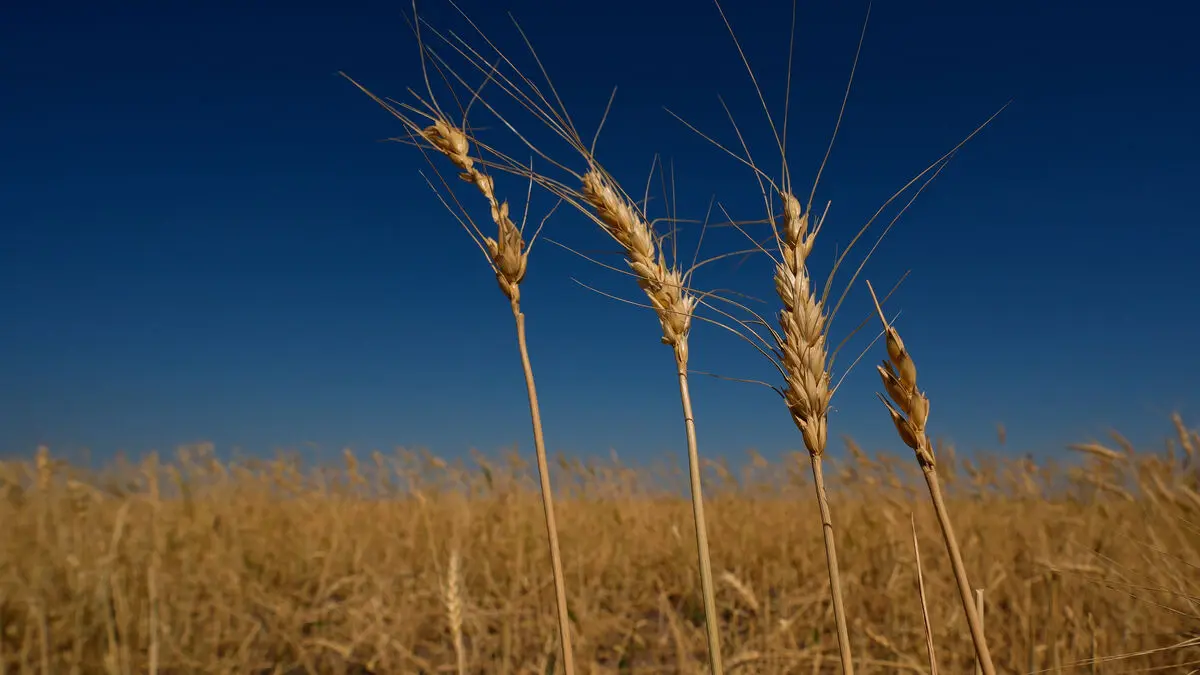
 Zeynep Aziz