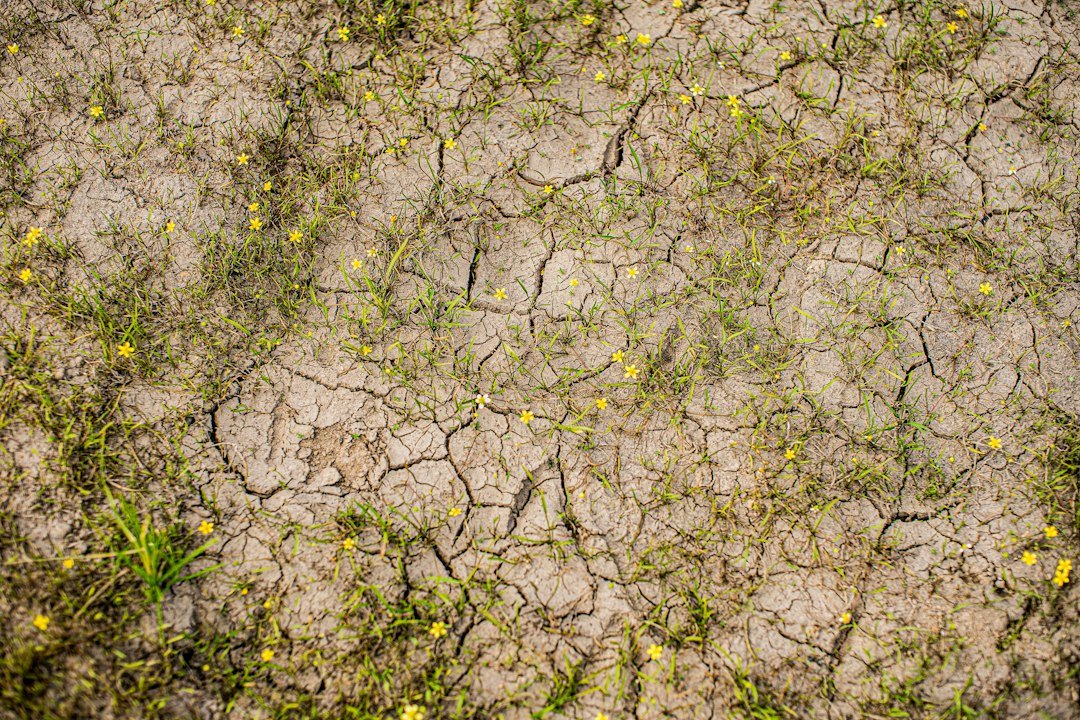
Turkey recorded its hottest year in 2024, while 2025 became the country’s driest year since 1964, according to an assessment released by the General Directorate of Meteorology.
Environment, Urbanisation and Climate Change Minister Murat Kurum said the findings show that climate change is a present-day challenge rather than a distant future risk.
Turkey’s average temperature reached 15.6 degrees Celsius in 2024, setting a new national record after numerous high-temperature extremes during the previous decade.
The report found that annual rainfall in 2025 was 27.6 percent below normal, with precipitation deficits exceeding 60 percent in parts of southeastern Anatolia.
A national maximum temperature of 50.5 degrees Celsius was recorded in Silopi, Şırnak province, on 25 July 2025.
Average temperatures across most Turkish regions between 2016 and 2025 exceeded both optimistic and pessimistic scenario projections, with the Black Sea region the principal exception.
The data increases pressure on policymakers to strengthen water management, climate-resilient agriculture, urban heat planning and preparations for more frequent drought.
Source: Anadolu Agency, 26 September 2026.
Featured photo: Amber Goetz via Unsplash.

Zeynep Aziz is a social-affairs specialist, writer and advocate with advanced academic qualifications in both Social Sciences and International Relations. Her multidisciplinary education has given her a strong understanding of society, public policy, human rights and the political forces shaping Turkey’s domestic and international development.
For many years, Zeynep has been actively engaged in social affairs and initiatives supporting the rights and well-being of Turkish citizens. Her work pays particular attention to social equality, democratic participation and the protection of vulnerable and disadvantaged communities.
Women’s rights remain central to her interests and advocacy. She works to raise awareness of the challenges faced by women in Turkey, including discrimination, violence, unequal opportunities and barriers to full participation in political, professional and social life. She strongly supports women’s empowerment, equal access to education and employment, and effective legal protection for women and girls.
Alongside her social work, Zeynep closely follows Turkey’s international relations and foreign policy. She takes a keen interest in Turkey’s relations with Europe, neighbouring countries and international institutions, as well as the impact of regional and global developments on Turkish society.
Through her writing and public engagement, Zeynep seeks to encourage informed discussion, strengthen respect for human rights and contribute to a fairer, more democratic and inclusive Turkey.
 Zeynep Aziz