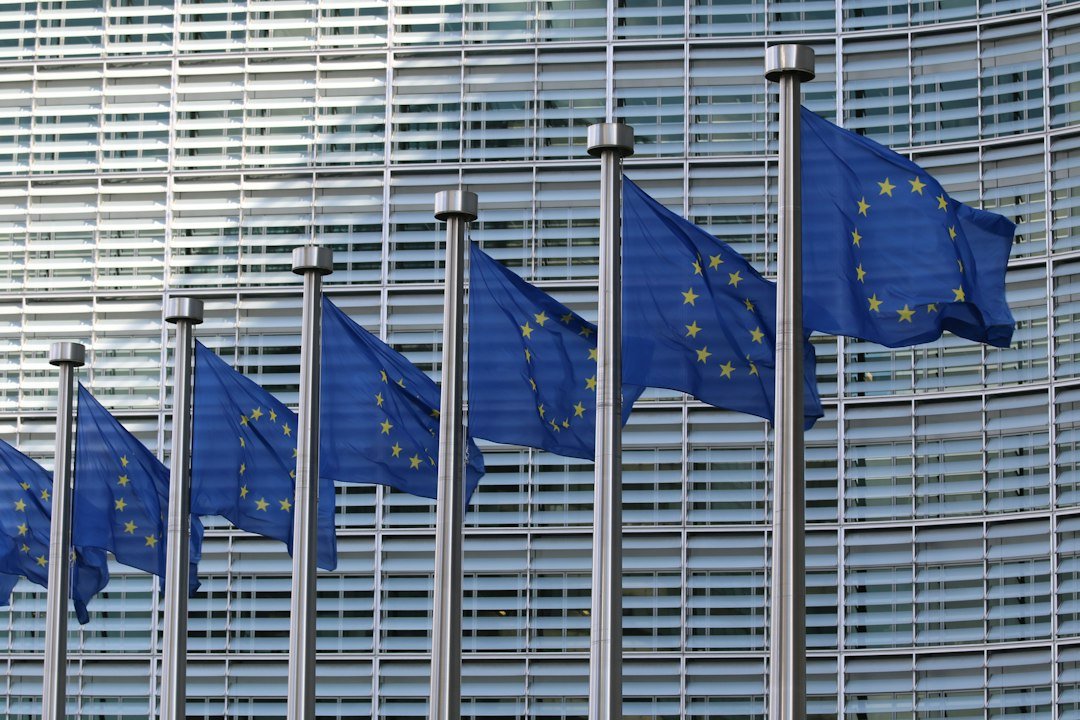
European Union member states have agreed to release €6.6 billion in funds connected to military assistance for Ukraine, according to EU foreign policy chief Kaja Kallas.
The money comes from the European Peace Facility, which finances support for countries outside the bloc and reimburses member governments for equipment they have already supplied.
Kallas said €900 million will support the EU military assistance mission for Ukraine, while another €1 billion will finance new joint procurement of defence equipment.
The remaining €4.7 billion is intended to reimburse national governments, although each member state will decide how much of its refund is redirected into fresh support for Kyiv.
The funds had remained blocked for months under Hungary’s previous government, creating uncertainty over a financing channel used to sustain European military assistance.
EU officials presented the agreement as evidence that pressure and alleged hybrid activity attributed to Moscow had not weakened the bloc’s commitment to Ukraine.
The decision delivers a significant financial boost, but the amount that ultimately reaches Ukraine will depend on follow-up choices made by individual European capitals.
Source: Reuters, 25 September 2026.
Featured photo: Guillaume Périgois via Unsplash.

Zeynep Aziz is a social-affairs specialist, writer and advocate with advanced academic qualifications in both Social Sciences and International Relations. Her multidisciplinary education has given her a strong understanding of society, public policy, human rights and the political forces shaping Turkey’s domestic and international development.
For many years, Zeynep has been actively engaged in social affairs and initiatives supporting the rights and well-being of Turkish citizens. Her work pays particular attention to social equality, democratic participation and the protection of vulnerable and disadvantaged communities.
Women’s rights remain central to her interests and advocacy. She works to raise awareness of the challenges faced by women in Turkey, including discrimination, violence, unequal opportunities and barriers to full participation in political, professional and social life. She strongly supports women’s empowerment, equal access to education and employment, and effective legal protection for women and girls.
Alongside her social work, Zeynep closely follows Turkey’s international relations and foreign policy. She takes a keen interest in Turkey’s relations with Europe, neighbouring countries and international institutions, as well as the impact of regional and global developments on Turkish society.
Through her writing and public engagement, Zeynep seeks to encourage informed discussion, strengthen respect for human rights and contribute to a fairer, more democratic and inclusive Turkey.
 Zeynep Aziz