 faultlineviews@gmail.com
Prime Minister Narendra Modi announced a nationwide lockdown on 24 March 2020, placing extraordinary restrictions on movement across India in an attempt to slow the spread of COVID-19.
A measure of unprecedented scale
The 21-day order affected roughly 1.3 billion people and began with only hours of notice. Passenger transport, most workplaces and non-essential commercial activity were suspended, while food, medicine and other essential services were formally permitted to continue.
Economic and humanitarian pressure
The abrupt shutdown created severe difficulties for informal workers and migrant labourers who lacked savings, secure housing or access to transport. Images of people attempting long journeys home exposed deep inequalities in the capacity to comply with public-health restrictions.
Public-health rationale
Officials argued that early action was necessary to prevent rapid transmission from overwhelming hospitals. The decision became one of the most consequential national responses during the pandemic’s first months, carrying lasting effects for employment, education and social protection.
Sources
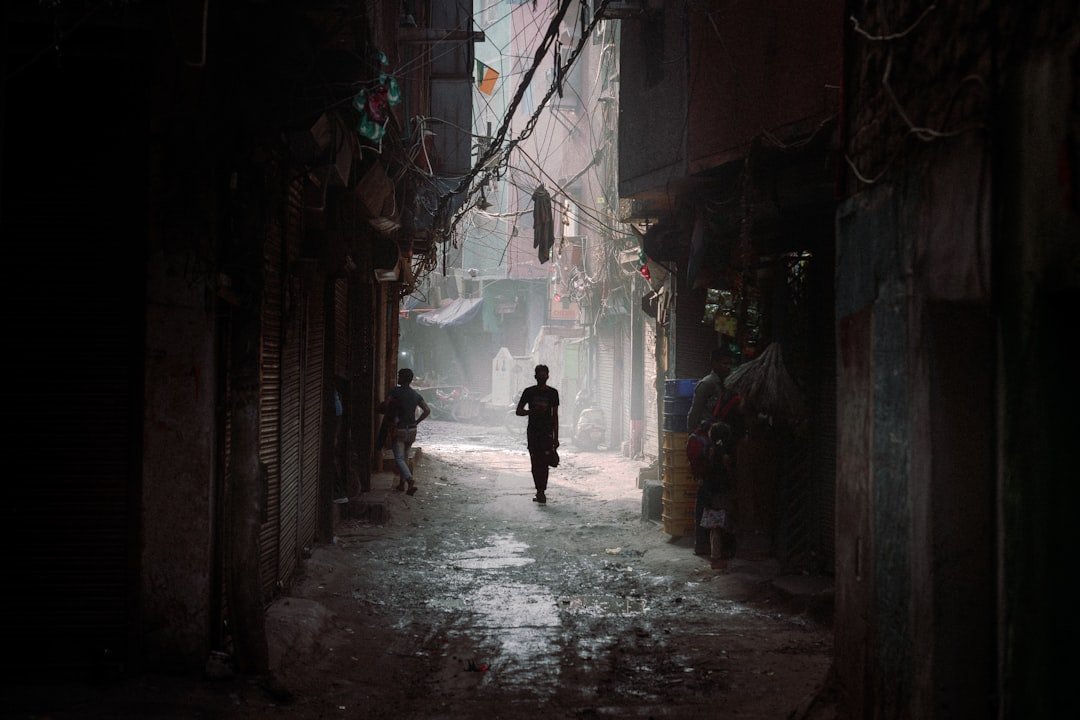
Featured image: Old Delhi street scene, illustrative. Photo by Touann Gatouillat Vergos on Unsplash.

 Zeynep Aziz